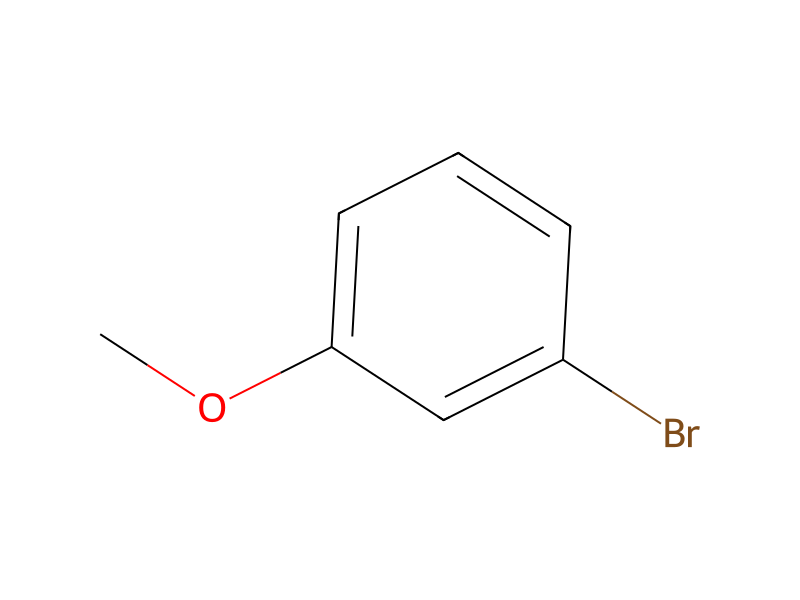
3-Bromoanisole → HCID 13640222, compound
Reaction equation

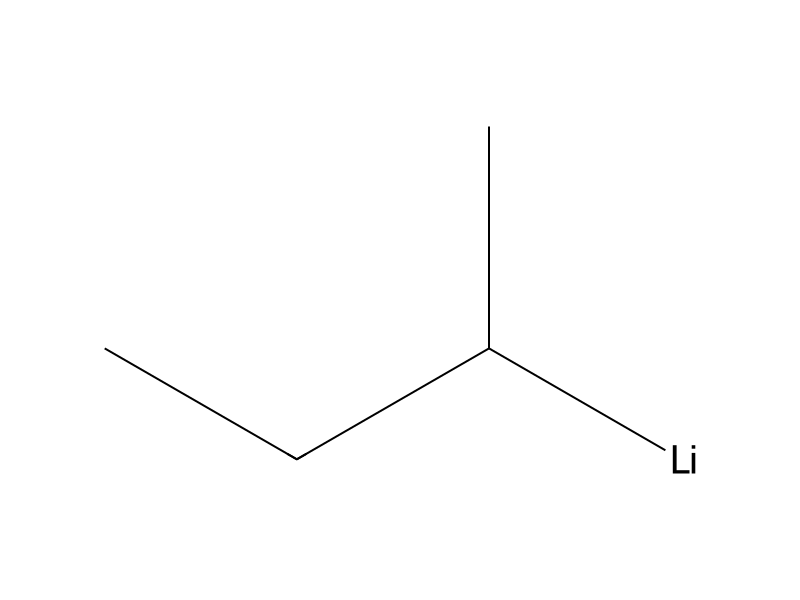
BrC1C=C([O:8]C)C=CC=1.C([Li])(CC)C.[CH2:15]([N:17]1[CH2:22][CH2:21][CH:20]([C:23]2[CH:28]=[CH:27][CH:26]=[C:25]([O:29][CH3:30])[CH:24]=2)[CH2:19][CH2:18]1)[CH3:16]>O1CCCC1.CCCCCC>[CH2:15]([N:17]1[CH2:22][CH2:21][C:20]([OH:8])([C:23]2[CH:28]=[CH:27][CH:26]=[C:25]([O:29][CH3:30])[CH:24]=2)[CH2:19][CH2:18]1)[CH3:16]Participants
Reactant 3

Product 1

Reagents, catalysts & solvents 2


Conditions
- Temperature
- -50 °C
Procedure
To a stirred solution of 3-bromoanisole (12.83 g, 0.069 mol) in dry tetrahydrofuran (70 ml) at -50° C. under an atmosphere of nitrogen was added sec-butyllithium (1.3M in hexanes, 68.5 ml, 0.089 mol) dropwise, ensuring that the temperature in the reaction vessel did not rise above -50° C. After complete addition of the sec-butyllithium, a white precipitate formed, and the reaction was stirred for 1 hour at -50° C. N-Ethyl-4-(3-methoxyphenyl)piperidine (10.5 ml, 0.079 mol) in dry tetrahydrofuran (50 ml) was added dropwise at a rate to maintain the reaction temperature below -40° C., resulting in an orange solution. The reaction mixture was allowed to warm to -20° C. over 1.5 hours, and then to room temperature over a further 1 hour. After this time, the reaction mixture was quenched by the addition of saturated brine (21 ml) and water (30 ml). The quenched reaction was stirred for a further 30 minutes, and then the two phases separated, and the organic phase retained. The aqueous phase was extracted with dichloromethane (3×75 ml), and the two organics combined and washed with hydrochloric acid (1N, 2×50 ml). The aqueous layer was separated, basified with ammonium hydroxide to pH 10, and extracted with dichloromethane (3×40 ml). The dichloromethane extracts were concentrated to yield a thick oil, which was triturated in cold hexane until a solid was obtained. This crude solid was stirred in hot hexane, allowed to cool, and filtered to yield N-ethyl-4-hydroxy-4-(3-methoxyphenyl)piperidine (5.5 g, 33.7%) as a white solid. m.p.=86.7-91.1° C.
Workup
- customdid not rise above -50° C
- customa white precipitate formed
- temperatureto maintain the reaction temperature below -40° C.
- customresulting in an orange solution
- temperatureto warm to -20° C. over 1.5 hours
- waitto room temperature over a further 1 hour
- customAfter this time, the reaction mixture was quenched by the addition of saturated brine (21 ml) and water (30 ml)
- customThe quenched reaction
- stirringwas stirred for a further 30 minutes
- customthe two phases separated
- extractionThe aqueous phase was extracted with dichloromethane (3×75 ml)
- washwashed with hydrochloric acid (1N, 2×50 ml)
- customThe aqueous layer was separated
- extractionextracted with dichloromethane (3×40 ml)
- concentrationThe dichloromethane extracts were concentrated
- customto yield a thick oil, which
- customwas triturated in cold hexane until a solid
- customwas obtained
- temperatureto cool
- filtrationfiltered
Sources & evidence
- ORD record
- ord-25039f9b37834baabd1821748d0e259c
- Source dataset
- uspto-grants-1999_10
- Patent number
- US05972962
Reaction notes
Loading…