Epichlorohydrin → 9-Ethyl-3-carbazolecarbaldehyde n-2,3-epoxypropyl-n-phenylhydrazone
Reaction equation

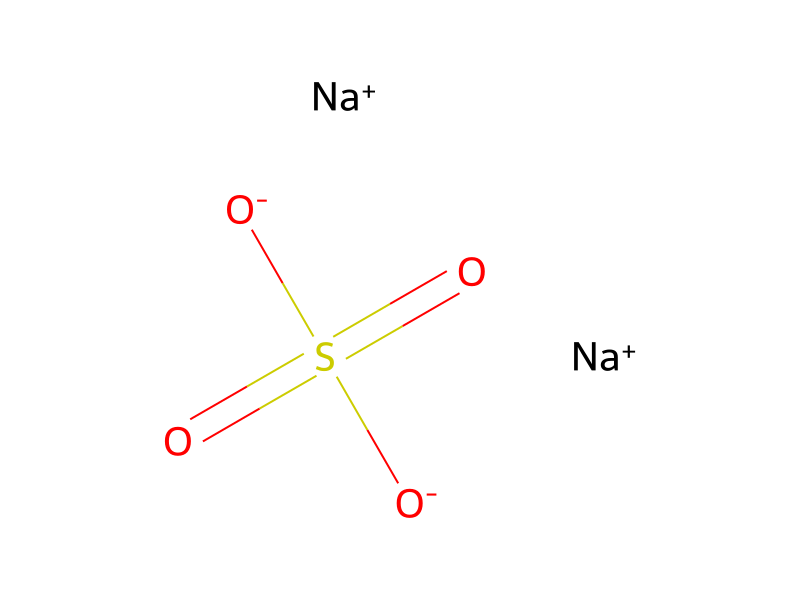
[OH-].[K+].S([O-])([O-])(=O)=O.[Na+].[Na+].[CH2:10]([N:12]1[C:24]2[CH:23]=[CH:22][CH:21]=[CH:20][C:19]=2[C:18]2[C:13]1=[CH:14][CH:15]=[CH:16][CH:17]=2)[CH3:11].[C:25]1([NH:31][N:32]=[CH:33]C2C=CC3NC4C(C=3C=2)=CC=CC=4)[CH:30]=[CH:29][CH:28]=[CH:27][CH:26]=1.[CH2:47]([CH:49]1[O:51][CH2:50]1)Cl>[O-]S([O-])(=O)=O.[Na+].[Na+]>[O:51]1[CH2:50][CH:49]1[CH2:47][N:31]([C:25]1[CH:30]=[CH:29][CH:28]=[CH:27][CH:26]=1)[N:32]=[CH:33][C:16]1[CH:15]=[CH:14][C:13]2[N:12]([CH2:10][CH3:11])[C:24]3[C:19]([C:18]=2[CH:17]=1)=[CH:20][CH:21]=[CH:22][CH:23]=3Participants
Reactant 4



Product 1

Reagents, catalysts & solvents 1
Procedure
A mixture of potassium hydroxide powder (KOH, 85%, 198 g, 3 mol,) and anhydrous sodium sulfate (Na2SO4, 51 g, 0.369 mol) was added in three stages to a mixture of 9-ethylcarbazol-3-carbazolecarboxaldehyde-N-phenylhydrazone (313.4 g, 1 mol) and epichlorohydrin (1.5 mol), while keeping the reaction mixture at 20–25° C.: stage quantities added were 33 g of Na2SO4 and 66 g of KOH initially; 9.9 g of Na2SO4 and 66 g of KOH after 1 hour of reaction; and 9.9 g of Na2SO4 and 66 g of KOH after 2 hours of reaction. The reaction mixture was stirred vigorously at 35–40 ° C. until the starting hydrazone disappeared (approximately 3–4 hours). Subsequently, the mixture was cooled to room temperature and any remaining solids were removed by filtration. The liquid organic phase was treated with diethyl ether and washed with distilled water until the washed water was of a neutral pH. The organic layer was dried over anhydrous magnesium sulfate, treated with activated charcoal, and filtered. The solvent and excess epichlorohydrin were removed by evaporation in a rotory evaporator. The residue was recrystallized from a mixture of toluene and 2-propanol in a 1:1 ratio by volume. The crystals formed upon standing were filtered off and washed with 2-propanol to give 290 g of product (78.5% yield). The melting point was found to be 136–137° C. (recrystallized from toluene). The 1H NMR spectrum (250 MHz) of the product in CDCl3 was characterized by the following chemical shifts (δ, ppm): 8.35 (s, 1H, 4-HHt); 8.14 (d, J=7.8 Hz, 1H, 1-HHt); 7.93 (d, J=7.6 Hz, 1H, 2-HHt); 7.90 (s, 1H, CH═N); 7.54–7.20 (m, 8H, Ph, Ht); 6.96 (t, J=7.2 Hz, 1H, 4-HPh); 4.37 (m, 3H, CH2CH3, one of the NCH2 protons); 4.04 (dd, J1=4.3 Hz, J2=16.4 Hz, 1H, next of the NCH2 protons); 3.32 (m, 1H, CH); 2.88 (dd, 1H, part of the ABX system, cis-HA of CH2O, JAX=2.6 Hz, JAB=4.9 Hz); 2.69 (dd, 1H, part of the ABX system, trans-HB of CH2O, JBX=4.0 Hz); and 1.44 (t, J=7.2 Hz, 3H, CH3). An elemental analysis yielded the following results in weight percent C, 78.32; H, 6.41; and N, 11.55; which compared with calculated values for C24H23N3O in weight percent of C, 78.02; H, 6.28; and N, 11.37.
Workup
- customat 20–25° C.
- additionstage quantities added
- custom(approximately 3–4 hours)
- customany remaining solids were removed by filtration
- additionThe liquid organic phase was treated with diethyl ether
- washwashed with distilled water until the washed water
- dry with materialThe organic layer was dried over anhydrous magnesium sulfate
- additiontreated with activated charcoal
- filtrationfiltered
- customThe solvent and excess epichlorohydrin were removed by evaporation in a rotory evaporator
- customThe residue was recrystallized from a mixture of toluene and 2-propanol in a 1:1 ratio by volume
- customThe crystals formed
- filtrationupon standing were filtered off
- washwashed with 2-propanol
Sources & evidence
- ORD record
- ord-cbfec5c5b409446198557012faef94e7
- Source dataset
- uspto-grants-2006_03
- Patent number
- US07014968B2
Reaction notes
Loading…