Borane → Tert-butyl N-(1-cyclohexyl-2-hydroxyethyl)carbamate
Reaction equation

[C:1]([O:5][C:6]([N:8](C1CCCCC1)CC(O)=O)=[O:7])([CH3:4])([CH3:3])[CH3:2].B.[CH2:20]1[CH2:24][O:23][CH2:22][CH2:21]1>>[CH:20]1([CH:21]([NH:8][C:6](=[O:7])[O:5][C:1]([CH3:2])([CH3:4])[CH3:3])[CH2:22][OH:23])[CH2:24][CH2:22][CH2:21][CH2:20][CH2:24]1Participants
4



Procedure
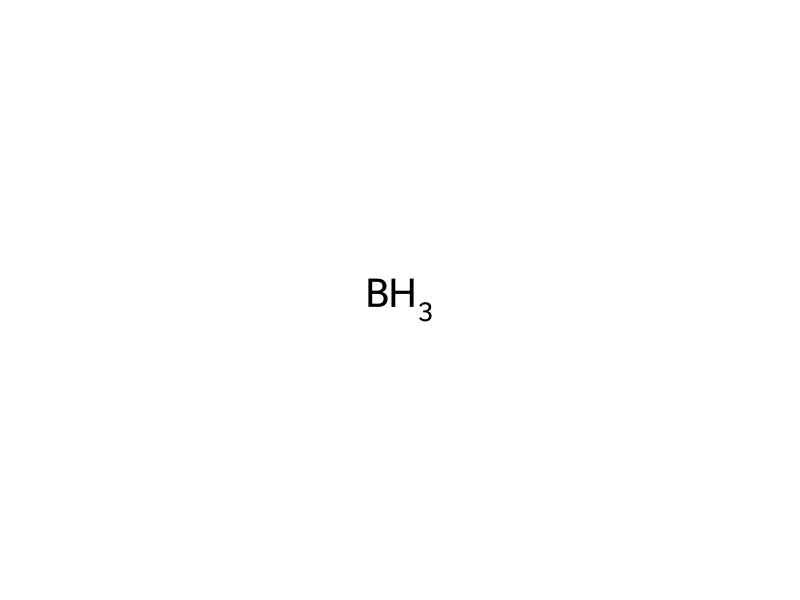
A solution of N-(t-butyloxycarbonyl)cyclohexylglycine (2.0 g, 7.77 mmol) in anhydrous THF (10 mL) was cooled to 0° C. Borane solution (1 M in THF, 15.5 mL, 15.5 mmol) was added slowly and the reaction mixture was warmed to room temperature and stirred for 2 hours. The reaction was quenched with MeOH (5 mL), volatiles were evaporated and the residue was partitioned between water and EtOAc. The organic layer was washed with saturated NaHCO3/water, brine, dried (sodium sulfate), and evaporated to give tert-butyl 1-cyclohexyl-2-hydroxyethylcarbamate 11a (1.26 g, 66.7%), MS (CI) m/z 144.2 (MH+−Boc).
Workup
- customThe reaction was quenched with MeOH (5 mL), volatiles
- customwere evaporated
- customthe residue was partitioned between water and EtOAc
- washThe organic layer was washed with saturated NaHCO3/water, brine
- dry with materialdried (sodium sulfate)
- customevaporated
Sources & evidence
- ORD record
- ord-4dc1397c52704fd4919bf674377685e7
- Source dataset
- uspto-grants-2006_03
- Patent number
- US07015226B2
Reaction notes
Loading…