Acetic Acid → Cyclohexanol
Reaction equation

[CH2:1]1[CH2:6][CH2:5][CH2:4][CH2:3][CH2:2]1.O=O.N#N.[C:11]([OH:14])(=[O:13])[CH3:12]>O.O.O.O.C([O-])(=O)C.[Co+2].C([O-])(=O)C>[C:1]1(=[O:13])[CH2:6][CH2:5][CH2:4][CH2:3][CH2:2]1.[CH:11]1([OH:14])[CH2:12][CH2:3][CH2:2][CH2:1][CH2:6]1.[C:11]([O:14][CH:1]1[CH2:6][CH2:5][CH2:4][CH2:3][CH2:2]1)(=[O:13])[CH3:12]Participants





Procedure
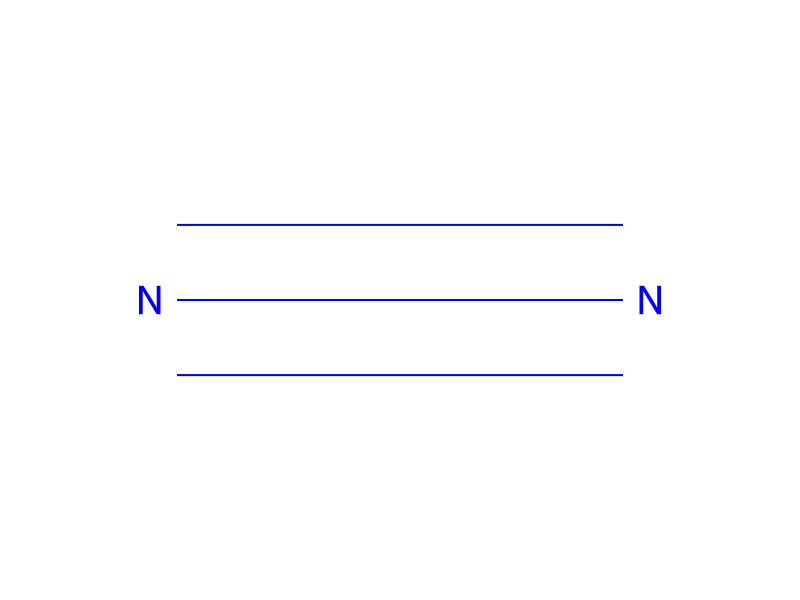
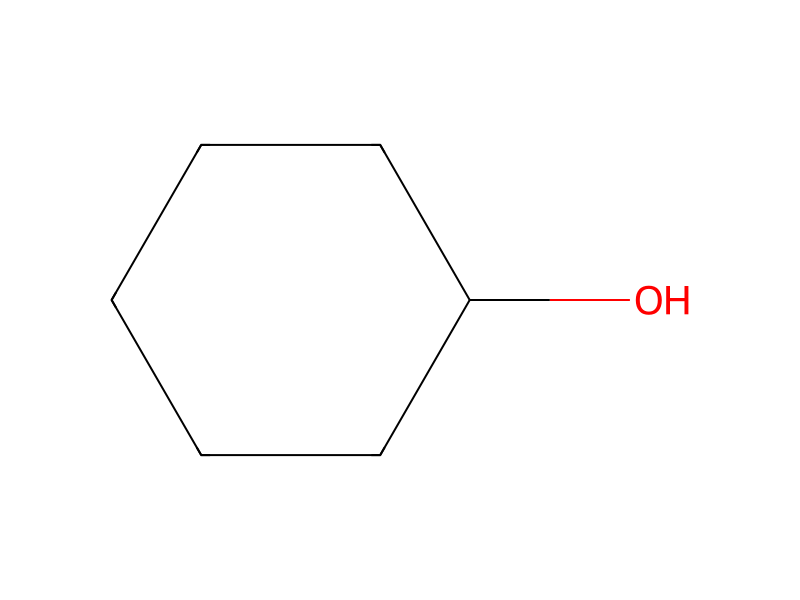
In a 316 stainless steel reactor having an internal volume of 300 ml, 26 g (309 mmol) of cyclohexane, 14 g of acetic acid, 179 mg (0.617 mmol) of bis(acetylacetonato)manganese(II) dihydrate, and 15.4 mg (0.0617 mmol) of cobalt(II) acetate tetrahydrate were placed, and the reactor was sealed and was pressurized to 50 Kg/cm2 (4.9 MPa) with a gaseous mixture comprising 50% of O2 and 50% of N2. The liquid temperature was raised on an oil bath and was held at 110° C. Immediately after the liquid temperature reached 110° C., absorption of the gas began. The reaction was terminated by cooling 60 minutes later. A reaction mixture was diluted with 60 g of acetic acid to thereby dissolve all of solid matters. The resulting solution was analyzed to find that a conversion from cyclohexane was 0.11% and adipic acid was not produced. In addition, cyclohexanone (selectivity: 28.2%), cyclohexanol (selectivity: 70.3%), and cyclohexyl acetate (selectivity: 1.5%) were produced.
Workup
- customthe reactor was sealed
- temperatureThe liquid temperature was raised on an oil bath
- customwas held at 110° C
- customreached 110° C.
- customabsorption of the gas
- customThe reaction was terminated
- temperatureby cooling 60 minutes later
- additionA reaction mixture was diluted with 60 g of acetic acid
- dissolutionto thereby dissolve all of solid matters
- customwas not produced
Sources & evidence
- ORD record
- ord-8ef503da2f5f426e81b729e65bcfc2fe
- Source dataset
- uspto-grants-2006_03
- Patent number
- US07015356B2
Reaction notes
Loading…