Hydrochloric Acid → 3-Cyano-4-isobutylbenzoic acid
Reaction equation

Cl[O-:2].[Na+].[OH-].[Na+].[C:6]([C:8]1[CH:9]=[C:10]([C:18](=[O:20])C)[CH:11]=[CH:12][C:13]=1[CH2:14][CH:15]([CH3:17])[CH3:16])#[N:7].Cl>CO>[C:6]([C:8]1[CH:9]=[C:10]([CH:11]=[CH:12][C:13]=1[CH2:14][CH:15]([CH3:16])[CH3:17])[C:18]([OH:20])=[O:2])#[N:7]Participants
Reactant 4



Product 1

Reagents, catalysts & solvents 1

Conditions
- Temperature
- 60 °C
Procedure
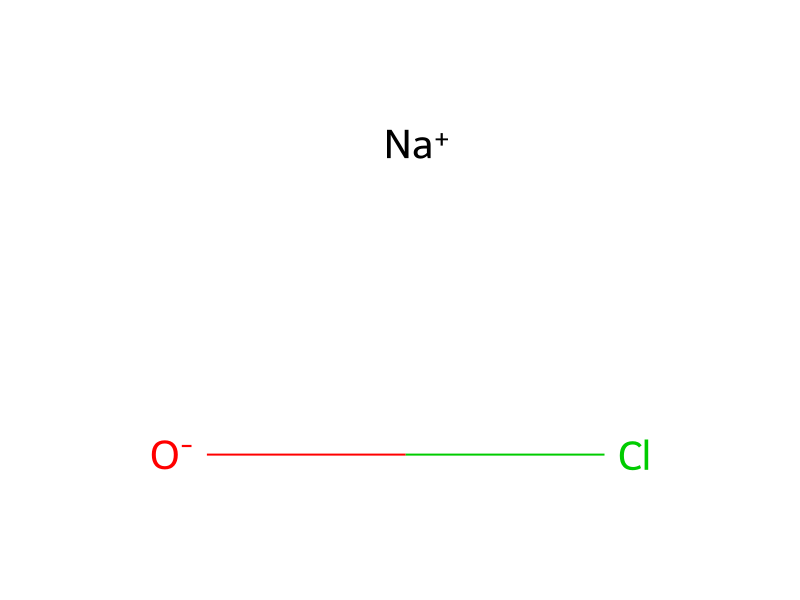
Subsequently, 10% aqueous sodium hypochlorite solution (370 ml) containing sodium hydroxide (8 g) and methanol (5 ml) was heated to 60° C. 3′-Cyano-4′-isobutylacetophenone (20 g) was added thereto by portions and the mixture was stirred for 1 h. The reaction mixture was cooled to room temperature and dilute hydrochloric acid was added, which was followed by extraction with chloroform. The organic layer was washed with saturated brine and dried over anhydrous magnesium sulfate, after which the solvent was evaporated under reduced pressure. n-Hexane was added to the residue to allow crystallization. The crystals were recrystallized from a mixed solvent of ethyl acetate-n-hexane to give 3-cyano-4-isobutylbenzoic acid (8.5 g), melting point: 118° C.
Workup
- temperatureThe reaction mixture was cooled to room temperature
- extractionwhich was followed by extraction with chloroform
- washThe organic layer was washed with saturated brine
- dry with materialdried over anhydrous magnesium sulfate
- customafter which the solvent was evaporated under reduced pressure
- additionn-Hexane was added to the residue
- customcrystallization
- customThe crystals were recrystallized from a mixed solvent of ethyl acetate-n-hexane
Sources & evidence
- ORD record
- ord-4c07db60f7244724ad7624ce2f02fc44
- Source dataset
- uspto-grants-2006_03
- Patent number
- US07015218B1
Reaction notes
Loading…