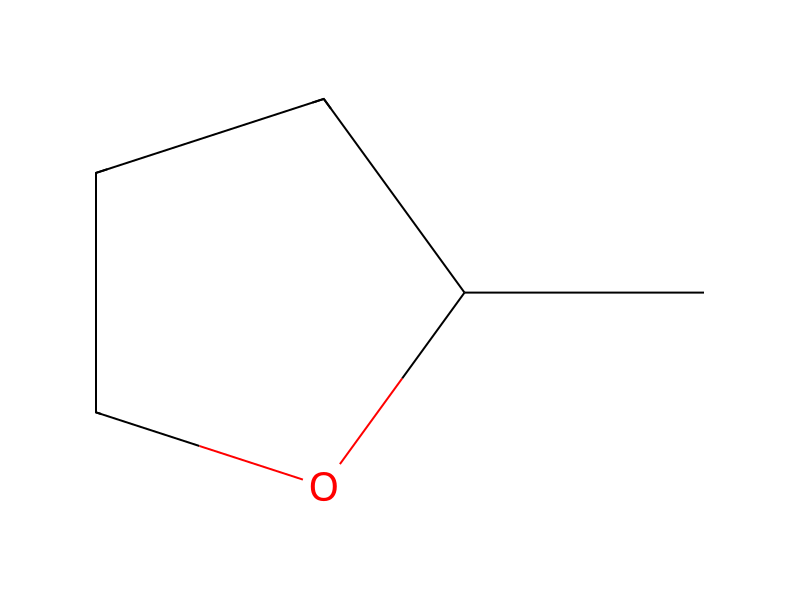
2-Methyltetrahydrofuran → (3-Amino-2,6-difluorophenyl)(5-bromo-1H-pyrrolo[2,3-b]pyridin-3-yl)methanone
Reaction equation

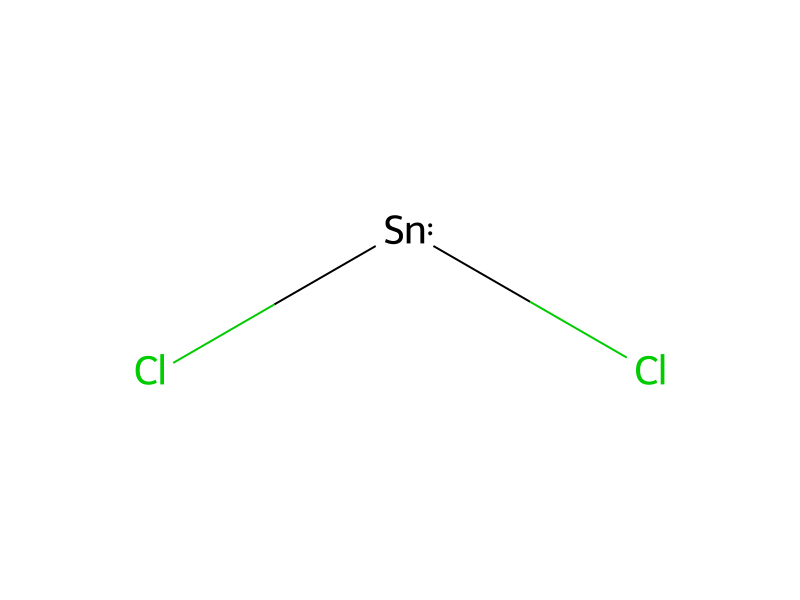
CC1CCCO1.[Br:7][C:8]1[CH:9]=[C:10]2[C:16]([C:17]([C:19]3[C:24]([F:25])=[CH:23][CH:22]=[C:21]([N+:26]([O-])=O)[C:20]=3[F:29])=[O:18])=[CH:15][NH:14][C:11]2=[N:12][CH:13]=1.[Sn](Cl)Cl>>[NH2:26][C:21]1[C:20]([F:29])=[C:19]([C:17]([C:16]2[C:10]3[C:11](=[N:12][CH:13]=[C:8]([Br:7])[CH:9]=3)[NH:14][CH:15]=2)=[O:18])[C:24]([F:25])=[CH:23][CH:22]=1Participants


Conditions
- Temperature
- 60 °C
Procedure
A 50-liter flask was added 2-methyl-tetrahydrofuran (2-methyl-THF) (36 L), compound 3 (2.85 kg, 7.455 mol) and tin(II) chloride (5.03 kg, 22.365 mol). The mixture was heated to 60° C. Upon completion, the reaction was quenched with an aqueous potassium carbonate solution (20%). The resulting mixture was filtered with celite and the solid residue was washed with 2-methyl-THF and tetrahydrofuran (THF). The filtrate was washed with an aqueous NaCl solution (15 L, 10%) and the organic layer was separated. The organic layer was further washed with an aqueous NaCl solution (15 L, 20%) and concentrated on a rotovap to yield compound 4 (2.536 kg, 96.65% yield). MS (ESI): M+H+=353 and 354. 1H NMR (DMSO-d6, δ ppm): 5.22 (2H, s), 6.93 (2H, m), 8.12 (1H, s), 8.47 (1H, d J=2.3 Hz), 8.54 (1H, d J-1.6 Hz), 13.2 (1H, s).
Workup
- customUpon completion, the reaction was quenched with an aqueous potassium carbonate solution (20%)
- filtrationThe resulting mixture was filtered with celite
- washthe solid residue was washed with 2-methyl-THF and tetrahydrofuran (THF)
- washThe filtrate was washed with an aqueous NaCl solution (15 L, 10%)
- customthe organic layer was separated
- washThe organic layer was further washed with an aqueous NaCl solution (15 L, 20%)
- concentrationconcentrated on a rotovap
Sources & evidence
- ORD record
- ord-dd7a113e6ca44e8c81bc70b6b4f96990
- Source dataset
- uspto-grants-2015_10
- Patent number
- US09150570B2
Reaction notes
Loading…