Water → 2-Phenylethanol
Reaction equation

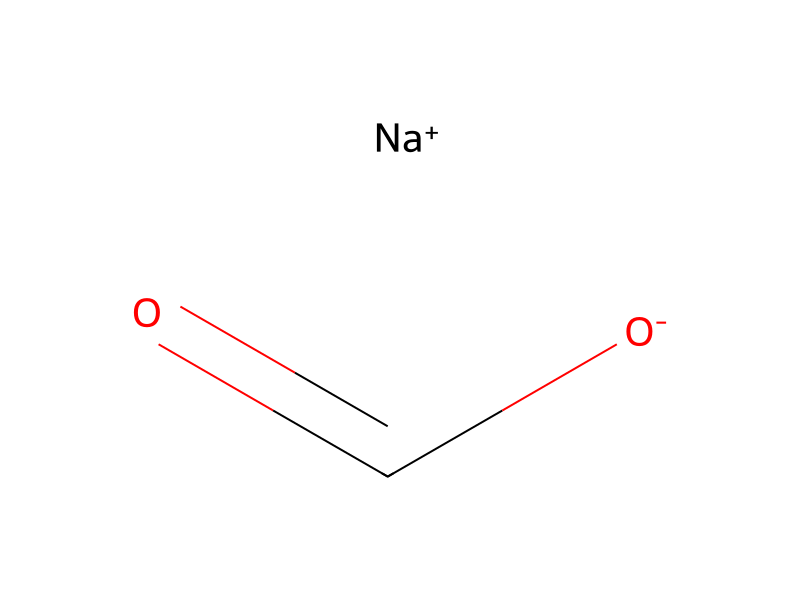
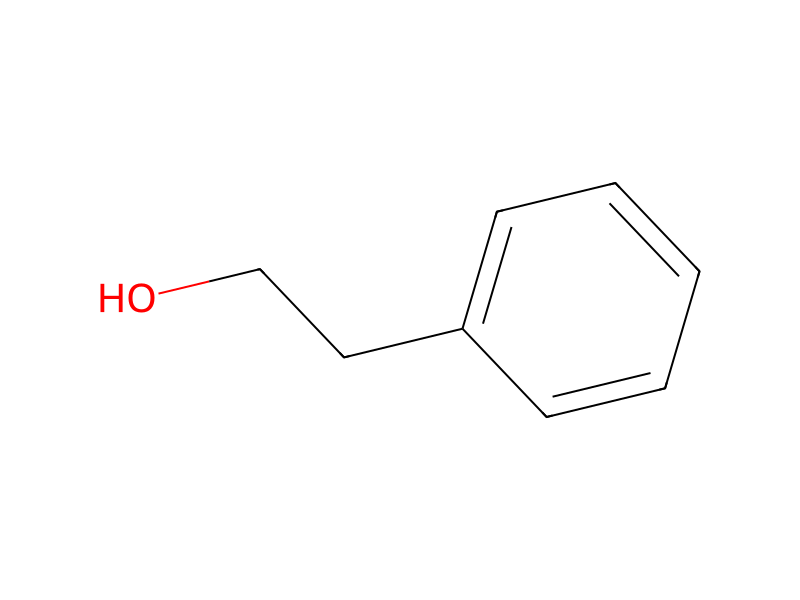
[CH:1]([O-:3])=O.[Na+].[H][H].O.[C:8]([C:11]1[CH:16]=[CH:15][CH:14]=[CH:13][CH:12]=1)(=O)C>C(O)=O>[CH:14]1[CH:13]=[CH:12][C:11]([CH2:8][CH2:1][OH:3])=[CH:16][CH:15]=1Participants
6
Reactant 4



Product 1
Reagents, catalysts & solvents 1

Procedure
Then Non-patent Literature 3 suggested a method to use sodium formate as the hydrogen source under a condition of a two-phase reaction system where water is employed as the solvent. In this method, although there is a large increase in the reaction rate and an improvement in the S/C ratio (substrate/catalyst molar ratio) compared to the reaction using formic acid, the optical purity of the alcohol is decreased. For example, a reaction of an acetophenone gives phenylethanol at 97% ee using formic acid, whereas a two-phase reaction system gives phenylethanol at 95% ee.
Workup
- temperaturea large increase in the reaction rate
Sources & evidence
- ORD record
- ord-258f9404098140559b97f00ff73f2749
- Source dataset
- uspto-grants-2015_10
- Patent number
- US09162934B2
Reaction notes
Loading…