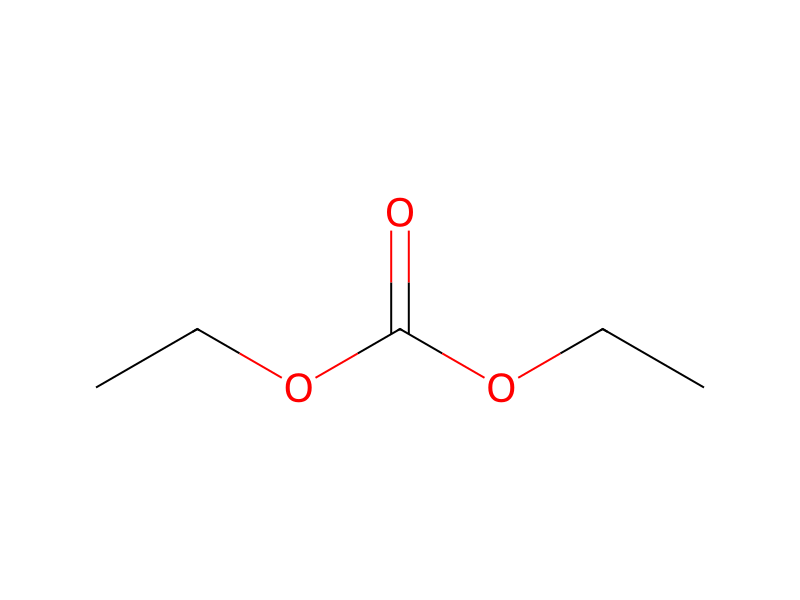
Diethyl Carbonate → 3-(4-Bromo-3-methyl-phenyl)-oxazolidin-2-one
Reaction equation

[C:1](=[O:8])([O:5][CH2:6][CH3:7])OCC.C[O-].[Na+].[Br:12][C:13]1[CH:18]=[CH:17][C:16]([NH:19]CCO)=[CH:15][C:14]=1[CH3:23].[Cl-].[NH4+]>CO>[Br:12][C:13]1[CH:18]=[CH:17][C:16]([N:19]2[CH2:7][CH2:6][O:5][C:1]2=[O:8])=[CH:15][C:14]=1[CH3:23]Participants
6





Conditions
- Temperature
- 110 °C
Procedure
Diethyl carbonate (18 ml) and a 28% solution of sodium methoxide in methanol (1.1 ml, 5.70 mmol) were added to 2-(4-bromo-3-methyl-phenylamino)-ethanol (1.21 g, 5.27 mmol), and the mixture was heated with stirring at 110° C. for 15 hours. Further, methanol (16 ml) was added to the reaction solution, and the mixture was heated with stirring at 110° C. for one hour. An aqueous ammonium chloride solution was added to the reaction mixture, followed by extraction with ethyl acetate. The organic phase was sequentially washed with water and saturated brine and concentrated under reduced pressure. The resulting residue was triturated with hexane to give 3-(4-bromo-3-methyl-phenyl)-oxazolidin-2-one (989 mg, 73%).
Workup
- temperaturethe mixture was heated
- temperaturethe mixture was heated
- stirringwith stirring at 110° C. for one hour
- extractionfollowed by extraction with ethyl acetate
- washThe organic phase was sequentially washed with water and saturated brine
- concentrationconcentrated under reduced pressure
- customThe resulting residue was triturated with hexane
Sources & evidence
- ORD record
- ord-8eb0e548714c46228b713a514b5f830f
- Source dataset
- uspto-grants-2015_10
- Patent number
- US09169254B2
Reaction notes
Loading…