Sodium Hydroxide → 1-(4-Bromo-3,5-dimethylphenyl)thiourea
Reaction equation

[Br:1][C:2]1[C:7]([CH3:8])=[CH:6][C:5]([NH2:9])=[CH:4][C:3]=1[CH3:10].C([N:19]=[C:20]=[S:21])(=O)C1C=CC=CC=1.[OH-].[Na+]>CC(C)=O>[Br:1][C:2]1[C:7]([CH3:8])=[CH:6][C:5]([NH:9][C:20]([NH2:19])=[S:21])=[CH:4][C:3]=1[CH3:10]Participants
5
Reactant 3

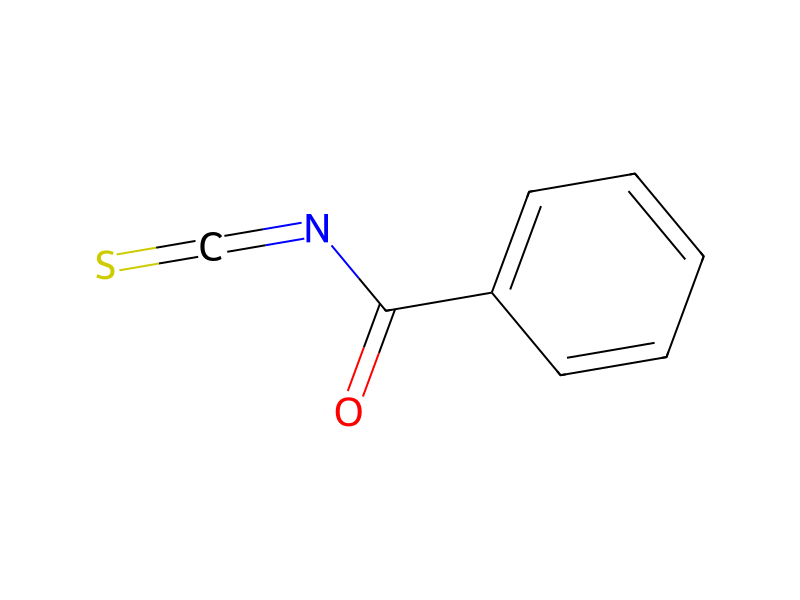

Product 1

Reagents, catalysts & solvents 1

Conditions
- Temperature
- 50 °C
Procedure
A solution of 4-bromo-3,5-dimethyl-phenylamine (200 mg) and benzoyl isothiocyanate (0.14 ml) in acetone (2 ml) was heated under reflux for 30 minutes. After cooling the reaction solution, a 1 N aqueous sodium hydroxide solution (2.19 ml) was added and the mixture was stirred at 50° C. for 12 hours. The mixture was extracted with dichloromethane, and the organic layer was then dried over anhydrous sodium sulfate and concentrated under reduced pressure. The resulting residue was triturated with hexane to give (4-bromo-3,5-dimethyl-phenyl)-thiourea (146 mg, 57%).
Workup
- temperatureunder reflux for 30 minutes
- temperatureAfter cooling the reaction solution
- extractionThe mixture was extracted with dichloromethane
- dry with materialthe organic layer was then dried over anhydrous sodium sulfate
- concentrationconcentrated under reduced pressure
- customThe resulting residue was triturated with hexane
Sources & evidence
- ORD record
- ord-f5caee973b464469b053c447a6aa5866
- Source dataset
- uspto-grants-2015_10
- Patent number
- US09169254B2
Reaction notes
Loading…