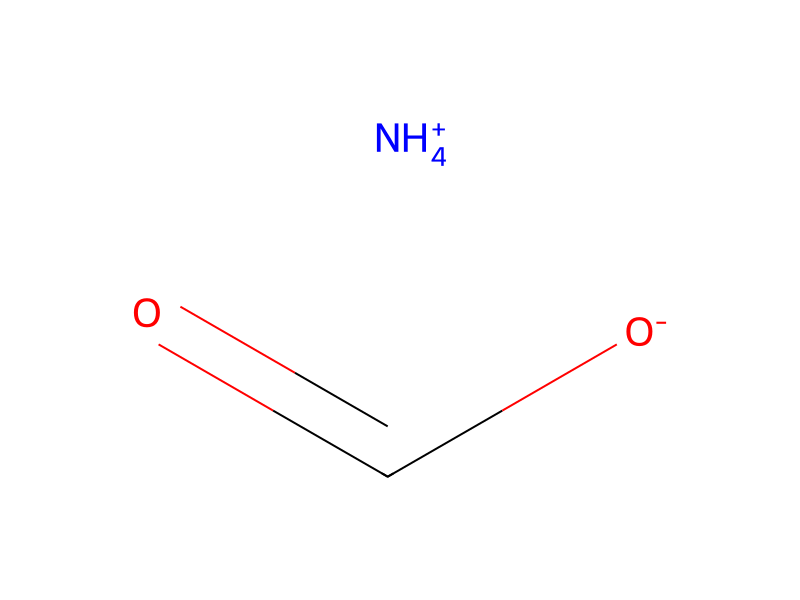
Ammonium formate → HCID 178505673, compound
Reaction equation

C([N:8]1[C:12]([C:13]([C:25]2[CH:30]=[CH:29][C:28]([F:31])=[CH:27][CH:26]=2)(O)[CH2:14][CH2:15][CH2:16][C:17]2[CH:22]=[CH:21][C:20]([F:23])=[CH:19][CH:18]=2)=[CH:11][N:10]=[CH:9]1)C1C=CC=CC=1.C([O-])=O.[NH4+]>C(O)(=O)C.[Pd]>[F:31][C:28]1[CH:29]=[CH:30][C:25]([CH:13]([C:12]2[N:8]=[CH:9][NH:10][CH:11]=2)[CH2:14][CH2:15][CH2:16][C:17]2[CH:22]=[CH:21][C:20]([F:23])=[CH:19][CH:18]=2)=[CH:26][CH:27]=1Participants
5
Reactant 2

Product 1

Reagents, catalysts & solvents 2


Procedure
1-benzyl-5-[1,4-bis(4-fluorophenyl)-1-hydroxybutyl]-1H-imidazole (10 g) is dissolved in conc. acetic acid (100 ml). Into the solution is added 0,1 g of palladium on carbon and 0,8 g of ammoniumformate. The mixture is refluxed for an hour and cooled to room temperature. The solution is filtered through silicous earth. The acetic acid filtrate is evaporated, the residue is dissolved in methylene chloride and washed once with 2M aqueous sodium hydroxide solution and once with water. The methylene chloride solution is dried with sodium sulphate and evaporated under reduced pressure. The product is then made to hydrochloride salt with dry hydrogen chloride in diethylether. M.p. 135°-137° C.
Workup
- temperatureThe mixture is refluxed for an hour
- filtrationThe solution is filtered through silicous earth
- customThe acetic acid filtrate is evaporated
- dissolutionthe residue is dissolved in methylene chloride
- washwashed once with 2M aqueous sodium hydroxide solution and once with water
- dry with materialThe methylene chloride solution is dried with sodium sulphate
- customevaporated under reduced pressure
Sources & evidence
- ORD record
- ord-ac81da6255c84ebd8373bc6fa933f243
- Source dataset
- uspto-grants-1995_08
- Patent number
- US05439928
Reaction notes
Loading…