Pyridine N-Oxide → 3-(4-Methylphenyl)pyridine-2-carbonitrile
Reaction equation

[N+]1([O-])C=CC=CC=1.Br[C:9]1[C:10]([C:15]#[N:16])=[N:11][CH:12]=[CH:13][CH:14]=1.C[Si](C#N)(C)C.[CH3:23][C:24]1[CH:29]=[CH:28][C:27](B(O)O)=[CH:26][CH:25]=1>C(#N)C>[C:15]([C:10]1[C:9]([C:27]2[CH:28]=[CH:29][C:24]([CH3:23])=[CH:25][CH:26]=2)=[CH:14][CH:13]=[CH:12][N:11]=1)#[N:16]Participants
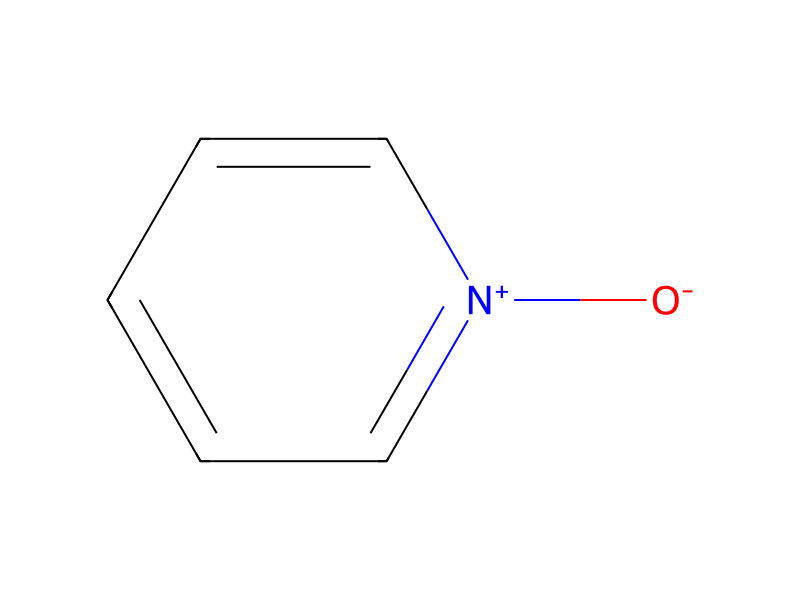



Procedure
Synthetic Scheme XXVIII shows the 4-step preparation of the alkylating reagent 2-cyano-3-(4-bromomethylphenyl)pyridine (79) from 3-bromopyridine (80) (Aldrich). In step 1, the pyridine 80 was reacted with hydrogen peroxide in acetic acid at reflux to give the pyridine N-oxide 81. In step 2, the N-oxide 81 was converted to 3-bromo-2-cyanopyridine (82) by reaction with trimethysilylcyanide and triethyl anine in acetonitrile at reflux. In step 3, the nitrile 82 was coupled with 4-methylphenylboronic acid (56) (Scheme XXIV) using Snieckus conditions (Scheme XIII) to give 2-cyano-3-(4-methylphenyl) pyridine (83). In step 4, 83 was brominated with NBS/AIBN in carbon tetrachloride at reflux to give the desired alkylating reagent 79. ##STR86##
Workup
- temperatureat reflux
Sources & evidence
- ORD record
- ord-64ee8a6dc02e4abc8b67107d0d68d561
- Source dataset
- uspto-grants-1995_08
- Patent number
- US05441970
Reaction notes
Loading…