Acetic Anhydride → 4-chloro-5-methyl-1H-indazole
Reaction equation

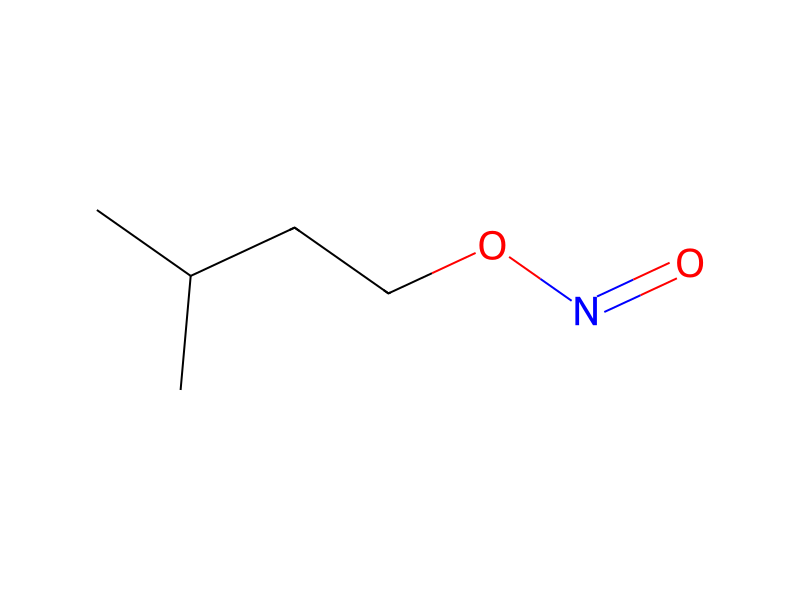
[Cl:1][C:2]1[C:3]([CH3:10])=[C:4]([CH:6]=[CH:7][C:8]=1[CH3:9])[NH2:5].C([O-])(=O)C.[K+].C(OC(=O)C)(=O)C.[N:23](OCCC(C)C)=O>C1C=CC=CC=1>[Cl:1][C:2]1[C:8]([CH3:9])=[CH:7][CH:6]=[C:4]2[C:3]=1[CH:10]=[N:23][NH:5]2Participants
Reactant 4



Product 1

Reagents, catalysts & solvents 1

Procedure
the known 3-chloro-2,4-dimethylaniline (14.9 g, 96 mmol) in 250 mL of anhydrous benzene was treated with potassium acetate (9.4 g, 96 mmol) and acetic anhydride (29.4 g, 288 mmol). This mixture was slowly heated to reflux while a precipitate formed. Subsequently, isoamyl nitrite (17 g, 144 mmol) was added rapidly to the refluxing suspension and heating was continued for 18 hours. The cooled suspension was filtered and the solid rinsed with benzene. The combined filtrates were evaporated and the solid residue was dissolved in 200 mL of ethanol containing 1 mL of conc. hydrochloric acid. This mixture was heated under reflux for 5 hours and the solvent was removed in vacuo. The solid residue was washed with 5% sodium bicarbonate and dissolved in ethyl acetate, dried over sodium sulfate and evaporated to give 9.3 g of intermediate solid.
Workup
- temperatureThis mixture was slowly heated
- temperatureto reflux while a precipitate
- customformed
- temperatureheating
- filtrationThe cooled suspension was filtered
- washthe solid rinsed with benzene
- customThe combined filtrates were evaporated
- dissolutionthe solid residue was dissolved in 200 mL of ethanol containing 1 mL of conc. hydrochloric acid
- temperatureThis mixture was heated
- temperatureunder reflux for 5 hours
- customthe solvent was removed in vacuo
- washThe solid residue was washed with 5% sodium bicarbonate
- dissolutiondissolved in ethyl acetate
- dry with materialdried over sodium sulfate
- customevaporated
Sources & evidence
- ORD record
- ord-8865e8753814407e904df4e5b018ada5
- Source dataset
- uspto-grants-1995_08
- Patent number
- US05444038
Reaction notes
Loading…