Quinoline-3-carboxylic acid → Ethylmorpholine
Reaction equation

[N:1]#[N:2].N[C@H](C(N[C@@H](C[C:29]1[CH:34]=[CH:33][CH:32]=[CH:31][CH:30]=1)[C@H](O)C[C@@:15]1([C:24](N)=[O:25])C[CH2:18][CH2:17][N:16]1[C:20](C)(C)[CH3:21])=O)CC(=[O:8])N.[N:35]1[C:44]2[C:39](=[CH:40][CH:41]=[CH:42][CH:43]=2)C=C(C(O)=O)[CH:36]=1>>[OH:8][C:39]1[C:44]2[N:35]=[N:2][NH:1][C:43]=2[CH:42]=[CH:41][CH:40]=1.[CH2:17]([N:16]1[CH2:15][CH2:24][O:25][CH2:21][CH2:20]1)[CH3:18].[CH:44]1([N:35]=[C:36]=[N:1][CH:29]2[CH2:30][CH2:31][CH2:32][CH2:33][CH2:34]2)[CH2:39][CH2:40][CH2:41][CH2:42][CH2:43]1Participants
5


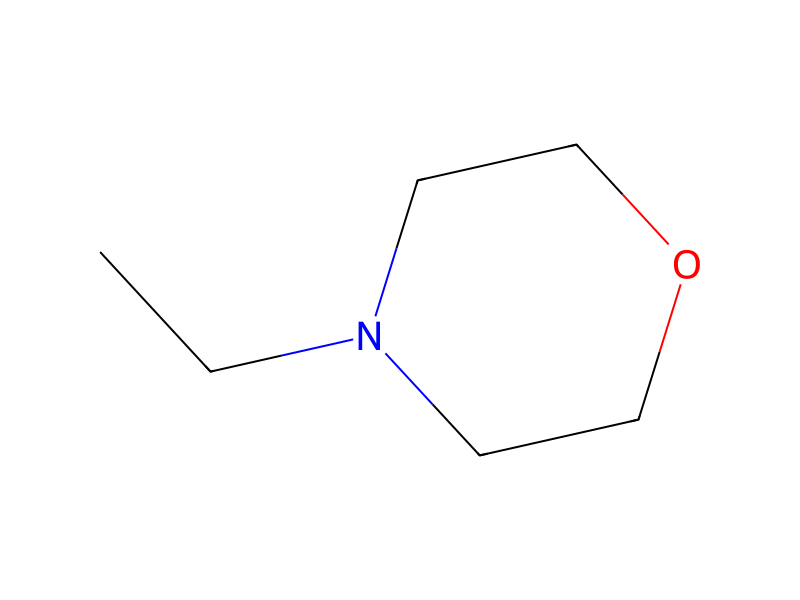


Procedure
In a manner analogous to that described in Example 27 from 228 mg of N2 -[3(S)-[[L-asparaginyl]amino]-2(R)-hydroxy-4-phenylbutyl]-N1 -tert.butyl-L-prolinamide. 88 mg of 3-quinolinecarboxylic acid; 69 mg of hydroxybenzotriazole, 59 mg of N-ethylmorpholine and 116 mg of dicyclohexylcarbodiimide there were obtained, after chromatography on silica gel using dichloromethane/methanol (9:1) for the elution, 86 mg of N1 -tert.butyl-N2 -[2(R)-hydroxy-4-phenyl-3(S)-[[N-(3-quinolylcarbonyl)-L-asparaginyl]amino]butyl]-L-prolinamide as a white solid; MS: m/e 603 [M+H]+.
Sources & evidence
- ORD record
- ord-87ed461e819f44f1806320bd11ae9e52
- Source dataset
- uspto-grants-1995_08
- Patent number
- US05446161
Reaction notes
Loading…