Hydrochloric Acid → HCID 20509894, compound
Reaction equation

CO[CH:3](OC)[CH2:4][NH:5][CH2:6][C:7]1[CH:12]=[C:11]([O:13][CH3:14])[C:10]([O:15][CH3:16])=[CH:9][C:8]=1[NH2:17].[N:20]#[C:21]Br.Cl>C(O)C>[CH3:14][O:13][C:11]1[CH:12]=[C:7]2[C:8](=[CH:9][C:10]=1[O:15][CH3:16])[NH:17][C:21]1=[N:20][CH:3]=[CH:4][N:5]1[CH2:6]2Participants
5
Reactant 3

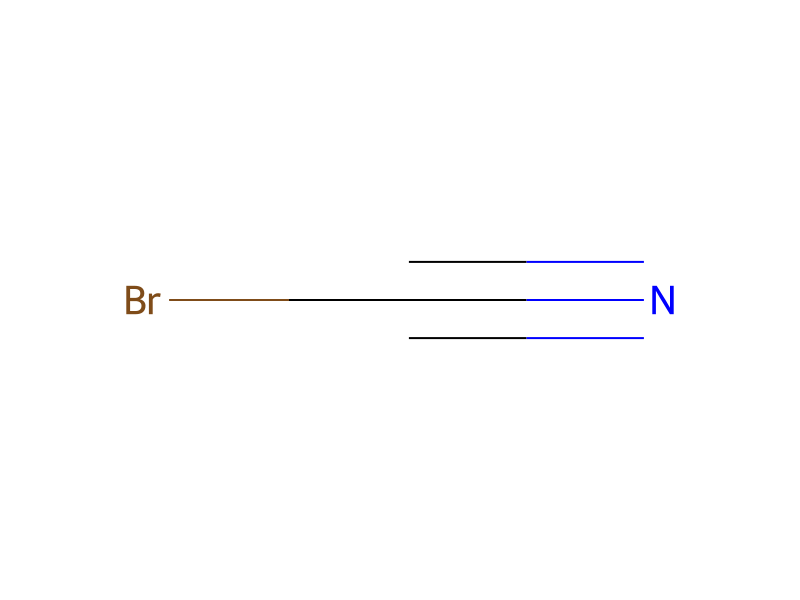

Product 1

Reagents, catalysts & solvents 1

Procedure
1.1 g of N-(2,2-dimethoxyethyl)-2-amino-4,5-dimethoxybenzylamine and 0.5 g of cyanogen bromide are heated under reflux over-night in 10 ml of 95% ethanol. 5 ml of 5 N hydrochloric acid are then added, and the solution is left to stand at room temperature for 2 hours. After the reaction solution is concentrated in a vacuum it is made alkaline with dilute caustic soda. The little compound is obtained in crystalline form, and is crystallised from ethyl acetate. M.p. 215°-217° (from ethanol).
Workup
- waitthe solution is left
- concentrationAfter the reaction solution is concentrated in a vacuum it
- customThe little compound is obtained in crystalline form
- customis crystallised from ethyl acetate
Sources & evidence
- ORD record
- ord-8bcc75d4b9294dee96e8a8a48c3355c6
- Source dataset
- uspto-grants-1983_02
- Patent number
- US04372956
Reaction notes
Loading…