L-Alanyl-L-proline → HCID 6321214, compound
Reaction equation

O=[C:2]([CH2:8][CH2:9][C:10]1[CH:15]=[CH:14][CH:13]=[CH:12][CH:11]=1)[C:3]([O:5][CH2:6][CH3:7])=[O:4].[NH2:16][C@H:17]([C:19]([N:21]1[CH2:28][CH2:27][CH2:26][C@H:22]1[C:23]([OH:25])=[O:24])=[O:20])[CH3:18].C([BH3-])#N.[Na+]>C(O)C.O>[CH2:6]([O:5][C:3]([CH:2]([NH:16][C@H:17]([C:19]([N:21]1[CH2:28][CH2:27][CH2:26][C@H:22]1[C:23]([OH:25])=[O:24])=[O:20])[CH3:18])[CH2:8][CH2:9][C:10]1[CH:15]=[CH:14][CH:13]=[CH:12][CH:11]=1)=[O:4])[CH3:7]Participants
5
Reactant 3



Product 1

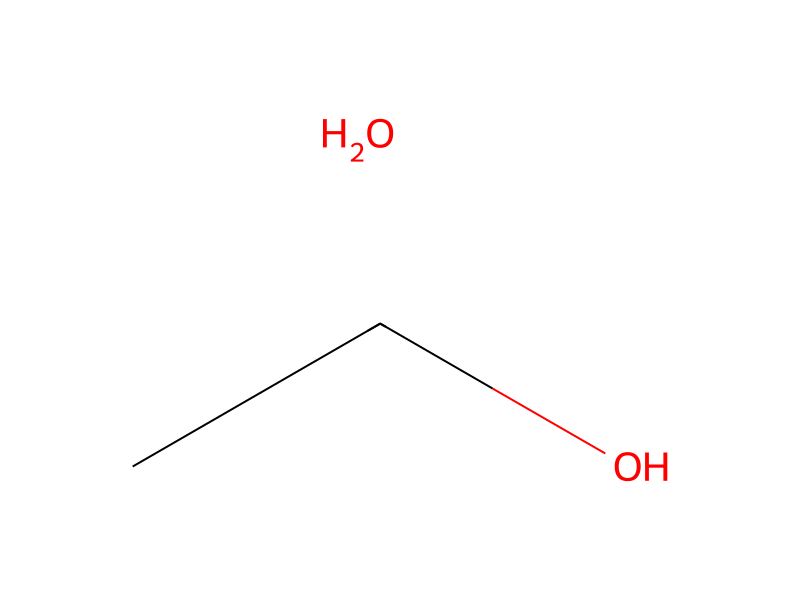
Reagents, catalysts & solvents 1
Procedure
Ethyl 2-oxo-4-phenylbutyrate (1.03 g) and L-alanyl-L-proline (0.19 g) are dissolved in a 1:1 ethanol-water solvent. A solution of sodium cyanoborohydride (0.19 g) in ethanol-water is added dropwise at room temperature over the course of two hours. When reaction is complete, the product is absorbed on strong acid ion-exchange resin and eluted with 2% pyridine in water. The product-rich cuts are freeze dried to give 0.25 g of crude N-(1-ethoxycarbonyl-3-phenylpropyl)-L-alanyl-L-proline. The mass spectrum shows a molecular ion at 448 m/e for the monosilylated species. Chromatography affords the desired isomer.
Workup
- customWhen reaction
- customthe product is absorbed on strong acid ion-exchange resin
- washeluted with 2% pyridine in water
- customdried
Sources & evidence
- ORD record
- ord-f057e7d109f0485a92e811ec0b1cb505
- Source dataset
- uspto-grants-1983_02
- Patent number
- US04374829
Reaction notes
Loading…