Ethyl 5-oxohexanoate → Ethyl 4-(1,8-naphthyridin-2-yl)butanoate
Reaction equation

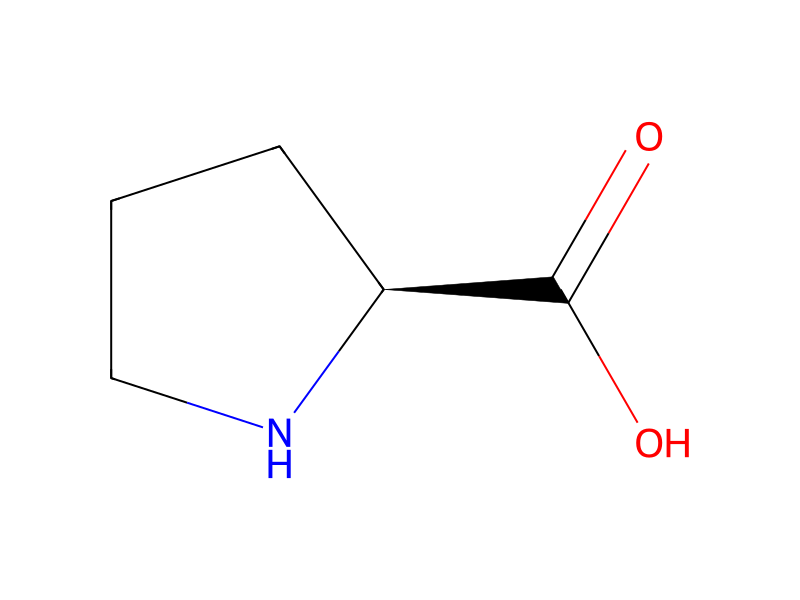
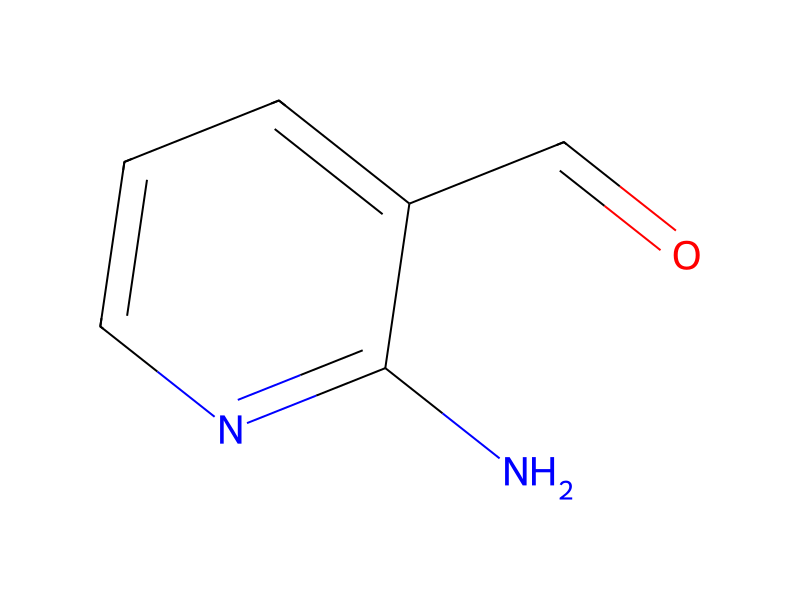
[NH2:1][C:2]1[N:9]=[CH:8][CH:7]=[CH:6][C:3]=1[CH:4]=O.O=[C:11]([CH3:20])[CH2:12][CH2:13][CH2:14][C:15]([O:17][CH2:18][CH3:19])=[O:16].N1CCC[C@H]1C(O)=O>CCO>[N:1]1[C:2]2[C:3](=[CH:6][CH:7]=[CH:8][N:9]=2)[CH:4]=[CH:20][C:11]=1[CH2:12][CH2:13][CH2:14][C:15]([O:17][CH2:18][CH3:19])=[O:16]Participants
5
Reactant 3

Product 1

Reagents, catalysts & solvents 1

Conditions
- Temperature
- 90 °C
Procedure
A solution consisting of 2-aminonicotinaldehyde (0.7 g; 5.8 mmol), ethyl 5-oxohexanoate (1.83 g; 11.6 mmol; 1.85 ml), L-proline (0.166 g; 1.45 mmol) and 50 ml of EtOH is heated at 90° C., with stirring, for 6 hours. The reaction mixture is then concentrated and the residue is purified by chromatography on silica gel (eluant: EtOAc) to yield the title product in the form of a beige solid.
Workup
- concentrationThe reaction mixture is then concentrated
- customthe residue is purified by chromatography on silica gel (eluant: EtOAc)
Sources & evidence
- ORD record
- ord-5119fa5279c84fc384c72bf7b2b4c6ae
- Source dataset
- uspto-grants-2005_01
- Patent number
- US06846833B2
Reaction notes
Loading…