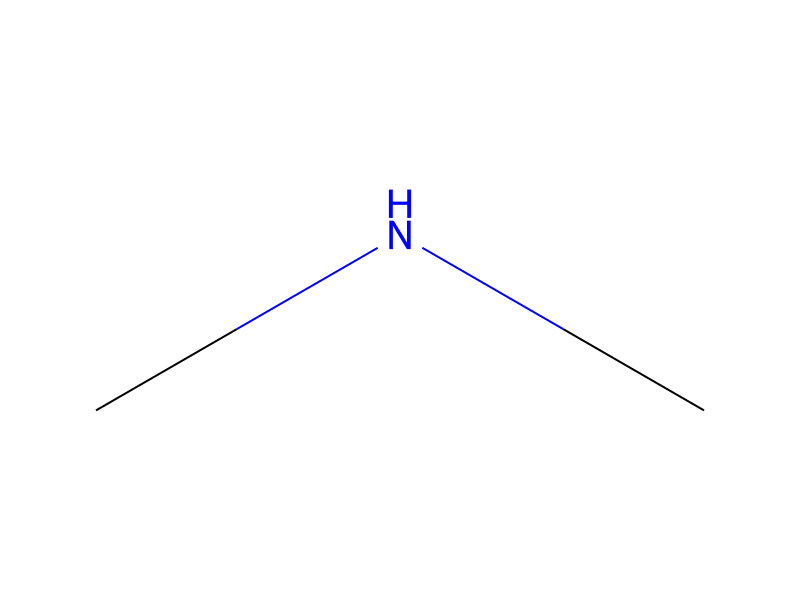
Dimethylamine → Clemeprol
Reaction equation

[Cl:1][C:2]1[CH:7]=[CH:6][C:5]([CH:8]([C:11]2[CH:16]=[CH:15][CH:14]=[CH:13][CH:12]=2)[CH:9]=[O:10])=[CH:4][CH:3]=1.[CH3:17][NH:18][CH3:19].[CH2:20](O)C>>[CH3:17][N:18]([CH3:20])[CH2:19][CH:9]([OH:10])[CH:8]([C:5]1[CH:4]=[CH:3][C:2]([Cl:1])=[CH:7][CH:6]=1)[C:11]1[CH:12]=[CH:13][CH:14]=[CH:15][CH:16]=1Participants
4



Procedure
p-Chlorophenyl-phenylacetaldehyde (5 68g) was reacted with dimethylsulphoxonium methylide and the crude epoxide obtained further reacted with dimethylamine in ethanol by the procedures described in Example 8 to give 3-dimethylamino- 1-p-chlorphenyl-1-phenyl-propan-2-ol (2.6g., 37% from aldehyde) as an oil.
Workup
- customthe crude epoxide obtained further
Sources & evidence
- ORD record
- ord-11c17ef93bc840af9442a30d92746ad1
- Source dataset
- uspto-grants-1978_09
- Patent number
- US04113972
Reaction notes
Loading…