Sodium Dithionite → 4-Aminophenylalanine
Reaction equation

S(S([O-])=O)([O-])=O.[Na+].[Na+].[NH2:9][C@H:10]([C:16]([OH:18])=[O:17])[CH2:11][CH2:12][C:13](O)=O.OCCC[NH:23][C@H:24]([C:30](O)=O)[CH2:25][CH2:26]C(=O)N>C([O-])(O)=O.[Na+]>[NH2:23][C:24]1[CH:25]=[CH:26][C:12]([CH2:11][C@@H:10]([C:16]([OH:18])=[O:17])[NH2:9])=[CH:13][CH:30]=1Participants
5
Reactant 3
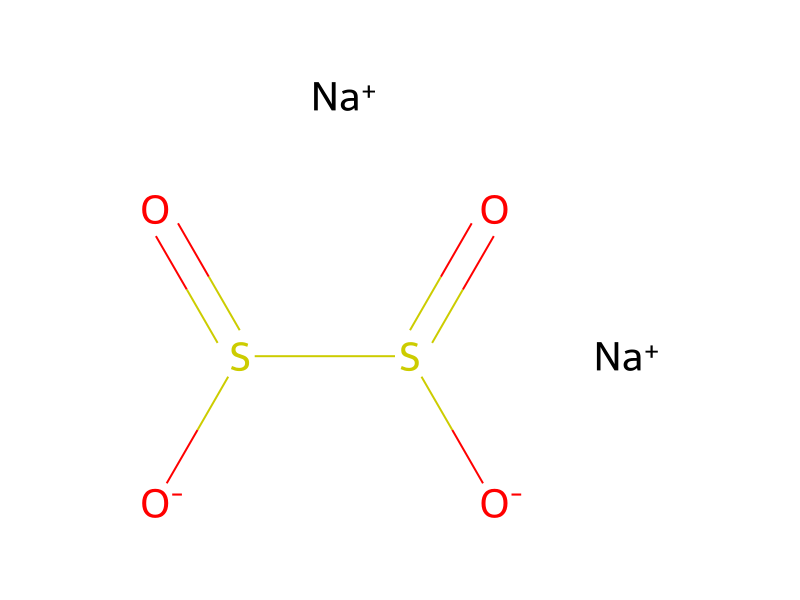


Product 1

Reagents, catalysts & solvents 1

Procedure
The polymer of either Examples I and II were reduced by treating a solution of 2 g of the polymer in 0.5 M NaHCO3 (50 ml) with 5% (w/v) sodium dithionite at 50° C for 1 hour. A copolypeptide, as in Example III, containing either glutamic acid or hydroxypropylglutamine and p-aminophenylalanine was obtained, following purification of the low molecular weight material by gel chromatography or dialysis.
Sources & evidence
- ORD record
- ord-fc8c80da188f47f2ae4033382dca3033
- Source dataset
- uspto-grants-1978_09
- Patent number
- US04116949
Reaction notes
Loading…