Trifluoroacetic acid → HCID 21107812, compound
Reaction equation

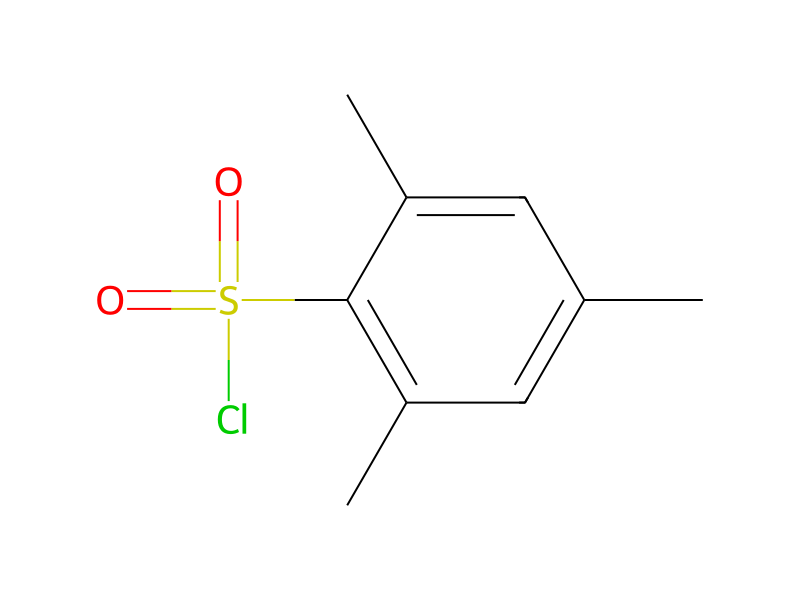
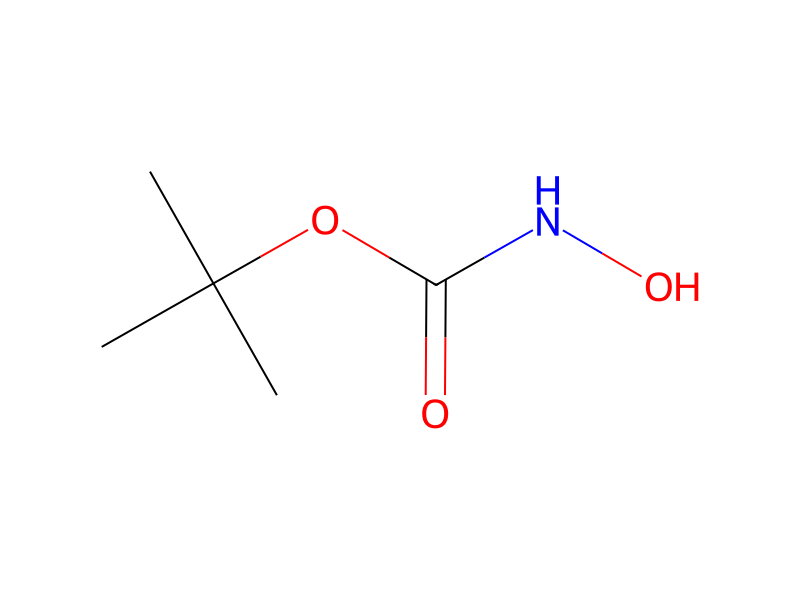
[C:1]1(C)C=C(C)[CH:4]=[C:3](C)[C:2]=1[S:9](Cl)(=O)=O.ONC(=O)O[C:18]([CH3:21])([CH3:20])[CH3:19].BrC1N=C[NH:27][C:28]=1Br.FC(F)(F)C(O)=[O:33]>>[CH3:1][C:2]1[S:9][C:28]2=[CH:21][C:18]([CH3:19])=[C:20]([OH:33])[N:27]2[C:3]=1[CH3:4]Participants



Procedure
Treatment of 2-mesitylsulfonyl chloride (CAS 773-64-8) with tert-butyl N-hydroxycarbamate (CAS 36016-38-3) leads to compound 1 (Synthesis, 1972, 140). Hydrolysis of compound 1 with trifluoroacetic acid gives compound 2 (Synthesis, 1972, 140). Obtain compound 3 by the reaction of chloroacetaldehyde (CAS 107-20-0) with thioacetamide (CAS 62-55-5) (Lieb. Ann., 1889, 250, 269). Amination of compound 3 with compound 2 leads to salt 4 (Synthesis, 1974, 126). Condensation of compound 4 with acetic anhydride affords bicycle 5 (Chem. Pharm. Bull., 1974, 22, 482). Nitrosation of compound 5 with sodium nitrite and hydrochloric acid gives compound 6 (Chem. Pharm. Bull., 1974, 22, 482). Reduction of compound 6 with hydrogen under palladium affords 6-methylpyrazolo[5,1-b][1,3]thiazol-7-amine 7.
Sources & evidence
- ORD record
- ord-f20e25ab53e54122a388e31524c361e5
- Source dataset
- uspto-grants-2007_06
- Patent number
- US07229480B2
Reaction notes
Loading…