2,2,2-Trifluoroethanol → HCID 11949726, compound
Reaction equation

CO[C:3](=[O:12])[C:4]1[CH:9]=[C:8](Br)[C:7](Cl)=[N:6][CH:5]=1.[F:13][C:14]([F:18])([F:17])[CH2:15][OH:16].[F:19][C:20]1[CH:25]=[CH:24][C:23](B(O)O)=[CH:22][CH:21]=1.[CH:29]1([C:32]([OH:36])([CH3:35])[CH2:33][NH2:34])[CH2:31][CH2:30]1>>[CH:29]1([C:32]([OH:36])([CH3:35])[CH2:33][NH:34][C:3](=[O:12])[C:4]2[CH:9]=[C:8]([C:23]3[CH:24]=[CH:25][C:20]([F:19])=[CH:21][CH:22]=3)[C:7]([O:16][CH2:15][C:14]([F:18])([F:17])[F:13])=[N:6][CH:5]=2)[CH2:31][CH2:30]1Participants
5



Procedure
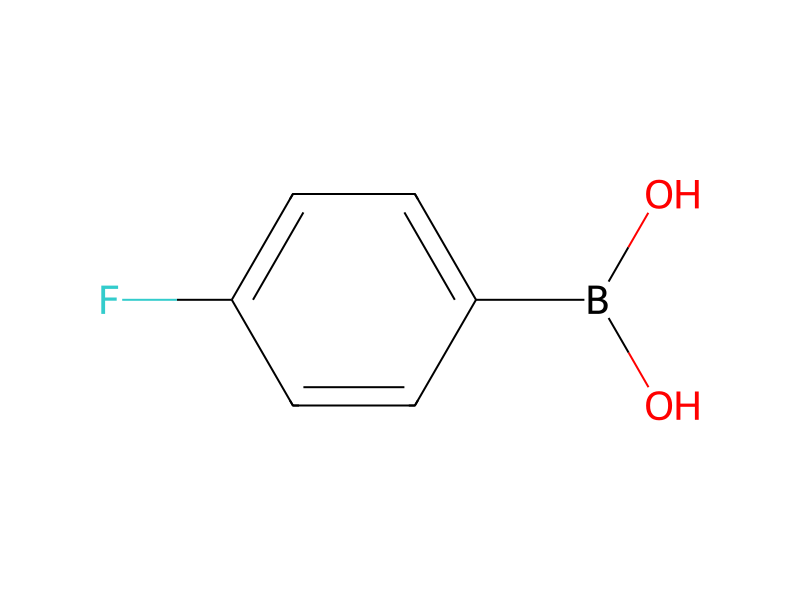
The title compound was synthesized in analogy to the procedure described for the preparation of Example 11, using 5-bromo-6-chloro-nicotinic acid methylester, 2,2,2-trifluoro-ethanol (commercially available), 4-fluorophenyl-boronic acid (commercially available) and 2-cyclopropyl-2-hydroxy-propylamine (commercially available) as starting materials. MS (m/e): 413 (MH+).
Workup
- customdescribed for the preparation of Example 11
Sources & evidence
- ORD record
- ord-780cf23d4cb140dc9914df4ebbc46ad4
- Source dataset
- uspto-grants-2007_06
- Patent number
- US07229999B2
Reaction notes
Loading…