Ethyl cyanoacetate → HCID 2732672, compound
Reaction equation

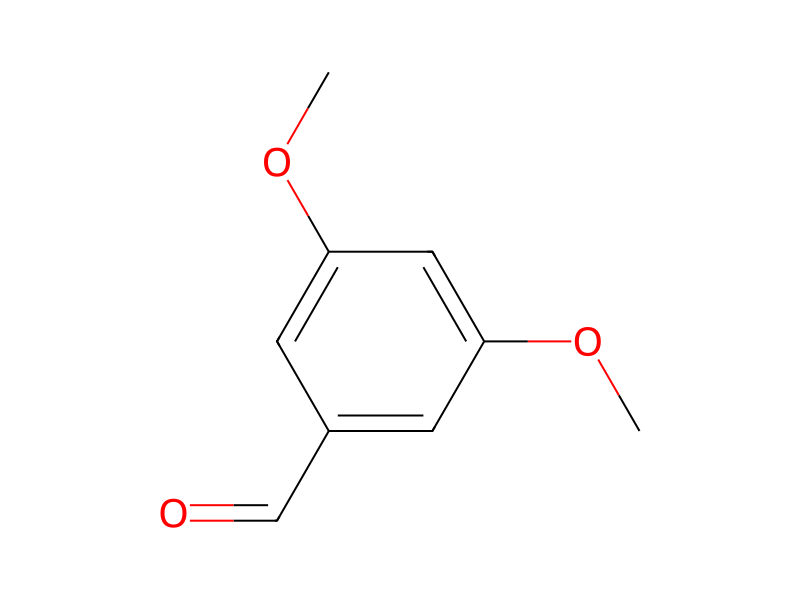
[CH3:1][O:2][C:3]1[CH:4]=[C:5]([CH:8]=[C:9]([O:11][CH3:12])[CH:10]=1)[CH:6]=O.[C:13]([CH2:15][C:16]([O:18][CH2:19][CH3:20])=[O:17])#[N:14].N1CCCCC1>>[CH2:19]([O:18][C:16](=[O:17])[C:15]([C:13]#[N:14])=[CH:6][C:5]1[CH:4]=[C:3]([O:2][CH3:1])[CH:10]=[C:9]([O:11][CH3:12])[CH:8]=1)[CH3:20]Participants
4



Procedure
Alternatively, compounds of Formula III can be prepared as shown in Schemes 3 and 4. Condensation of 3,5-dimethoxybenzaldehyde with ethyl cyanoacetate in the presence of a base such as piperidine produces the 3-(3,5-dimethoxyphenyl)-2-cyano-acrylic acid ethyl ester. Treatment of the ester with 3-methoxyphenol in the presence of NaH produces the 3-cyano-7-methoxy-4-(3,5-dimethoxyphenyl)-2-oxo-2H-chromene. Similarly, reaction of 3-(3-methoxy-phenyl)-2-cyano-acrylic acid ethyl ester with 4-hydroxyindole produces 3-cyano-4-(3-methoxyphenyl)-2-oxo-2H-pyrrolo[2,3-h]chromene.
Sources & evidence
- ORD record
- ord-b81b32a14c16404b850ebdb192dc6061
- Source dataset
- uspto-grants-2007_06
- Patent number
- US07235674B2
Reaction notes
Loading…