4-Methylmorpholine → N-tert-butyl-5-methylisoxazole-3,4-dicarboximide
Reaction equation

CN1CCOCC1.CN(C1C=CC=CN=1)C.[C:17]([NH:21][C:22]([C:24]1[C:28]([C:29](O)=[O:30])=[C:27]([CH3:32])[O:26][N:25]=1)=[O:23])([CH3:20])([CH3:19])[CH3:18]>ClCCl>[C:17]([N:21]1[C:29](=[O:30])[C:28]2[C:24](=[N:25][O:26][C:27]=2[CH3:32])[C:22]1=[O:23])([CH3:20])([CH3:19])[CH3:18]Participants
5
Reactant 3

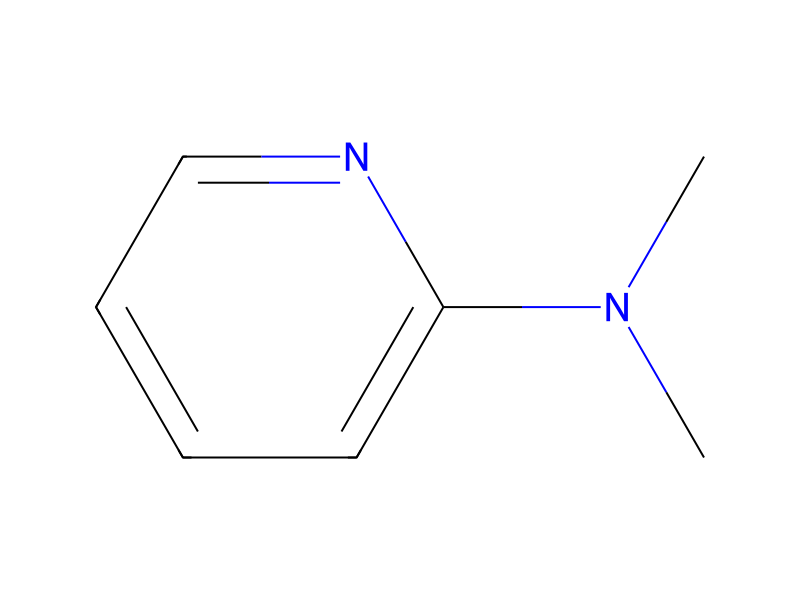

Product 1

Reagents, catalysts & solvents 1

Procedure
6.3 g )62.2 mmol) of methylmorpholine, 2.4 g (20 mmol) of dimethylaminopyridine and 14.6 g of a 50% strength solution of propanephosphonic anhydride (23 mmol) in dichloromethane were added dropwise in succession to 3.8 g (16.8 mmol) of 3-tert-butylaminocarbonyl-5-methylisoxazole-4-carboxylic acid in 150 ml of dichloromethane at -5° C. and the mixture was then refluxed for 6 hours. Working up was carried out as described above. 3.2 g (91%) of N-tert-butyl-5-methylisoxazole-3,4-dicarboximide were obtained as a solid of melting point 48°-50° C. (Example No. 2.001).
Workup
- temperaturethe mixture was then refluxed for 6 hours
Sources & evidence
- ORD record
- ord-d303dc8ce49547a88a2c8381a24e0903
- Source dataset
- uspto-grants-1995_01
- Patent number
- US05378680
Reaction notes
Loading…