Ammonia → 1-Nitro-4-phenoxybenzene
Reaction equation

Cl[C:2]1[CH:7]=[CH:6][C:5]([N+:8]([O-:10])=[O:9])=[CH:4][CH:3]=1.[C:11]1([O-:17])[CH:16]=[CH:15][CH:14]=[CH:13][CH:12]=1.[Na+].N>>[CH:14]1[CH:15]=[CH:16][C:11]([O:17][C:2]2[CH:7]=[CH:6][C:5]([N+:8]([O-:10])=[O:9])=[CH:4][CH:3]=2)=[CH:12][CH:13]=1Participants
4


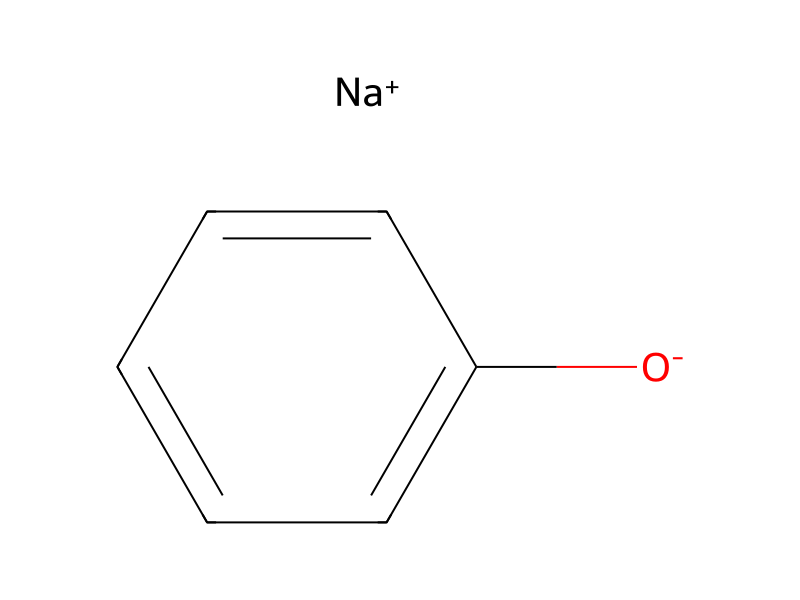

Conditions
- Temperature
- 70 °C
Procedure
157.6 g of p-chloronitrobenzene and 116.1 g of sodium phenolate were initially introduced into a steel autoclave. At room temperature, 100 g of liquid ammonia were pumped into the pressure vessel, the mixture was heated to 70° C. and allowed to completely react with stirring over a period of 9 hours. The pressure of 28 bar initially observed dropped during the reaction to 22 bar. Removal of the ammonia by distillation and workup of the distillation residue gave-4-nitrodiphenyl ether with a yield of 213.8 g=99.4% of the theoretical yield. The product is 99.2% pure.
Workup
- customAt room temperature
- customto completely react
- additionThe pressure of 28 bar initially observed dropped during the reaction to 22 bar
- customRemoval of the ammonia
- distillationby distillation and workup of the distillation residue
Sources & evidence
- ORD record
- ord-acbb5e5af817455c8b67aa5dd55217d5
- Source dataset
- uspto-grants-1995_01
- Patent number
- US05382686
Reaction notes
Loading…