2-(Triisopropylsilyl)oxazole-5-carboxaldehyde → HCID 57771144, compound
Reaction equation

B.[Na].[CH:3]([Si:6]([CH:17]([CH3:19])[CH3:18])([CH:14]([CH3:16])[CH3:15])[C:7]1[O:8][C:9]([CH:12]=[O:13])=[CH:10][N:11]=1)([CH3:5])[CH3:4]>CO.N1C=CC=CC=1.O.C(OCC)(=O)C>[CH:17]([Si:6]([CH:3]([CH3:5])[CH3:4])([CH:14]([CH3:16])[CH3:15])[C:7]1[O:8][C:9]([CH2:12][OH:13])=[CH:10][N:11]=1)([CH3:19])[CH3:18]Participants
6





Procedure
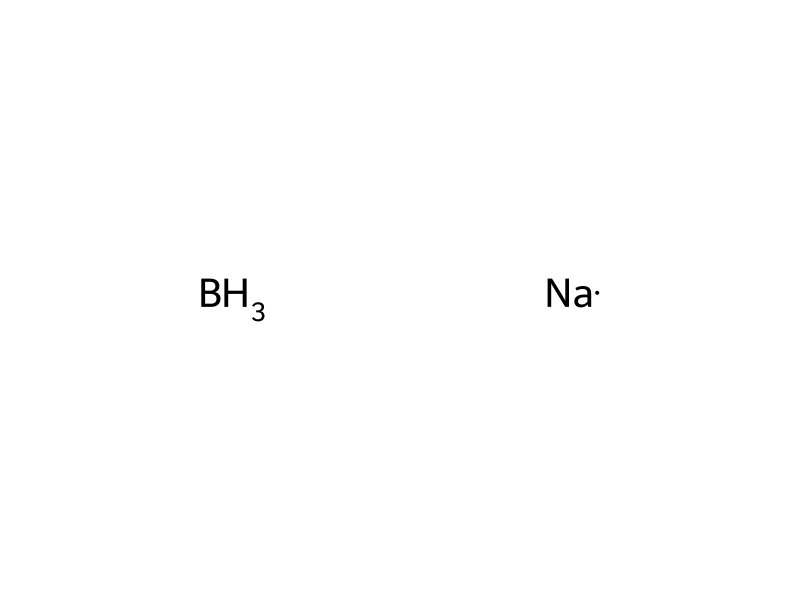
Sodiumboron hydride (200 mg, 5.5 mmol) was added to a solution of 2-triisopropylsilyl-oxazole-5-carboxaldehyde (0.7 g, 2.7 mmol) in a mixture of methanol and tetrahydrofuran (1/1, 20 mL) and the resulting mixture was stirred at room temperature for 20 minutes. The reaction mixture was then diluted with ethyl acetate, washed with water and brine, dried over anhydrous sodium sulfate, filtered and evaporated under reduced pressure to give (2-triisopropylsilanyl-oxazol-5-yl)-methanol without further purifications. This material was treated with 4-chloro-2-nitro-phenol as described in Preparation 20, Step A, to give 0.7 g of 5-(4-chloro-2-nitro-phenoxymethyl)-2-triisopropylsilanyl-oxazole.
Workup
- washwashed with water and brine
- dry with materialdried over anhydrous sodium sulfate
- filtrationfiltered
- customevaporated under reduced pressure
Sources & evidence
- ORD record
- ord-dfb04480f8614d3da80e4d356a7c3cf0
- Source dataset
- uspto-grants-2016_02
- Patent number
- US09255110B2
Reaction notes
Loading…