Hydrochloric Acid → HCID 66648536, compound
Reaction equation

C(OC([NH:8][CH2:9][CH2:10][O:11][C:12]1[CH:31]=[CH:30][C:15]([CH2:16]/[C:17](=[C:22](\[CH:27]([CH3:29])[CH3:28])/[C:23]([O:25][CH3:26])=[O:24])/[C:18]([O:20][CH3:21])=[O:19])=[CH:14][CH:13]=1)=O)(C)(C)C.Cl.ClCCl.CO>CO>[CH3:21][O:20][C:18](=[O:19])/[C:17](/[CH2:16][C:15]1[CH:30]=[CH:31][C:12]([O:11][CH2:10][CH2:9][NH2:8])=[CH:13][CH:14]=1)=[C:22](/[CH:27]([CH3:28])[CH3:29])\[C:23]([O:25][CH3:26])=[O:24]Participants
5
Reactant 3


Product 1

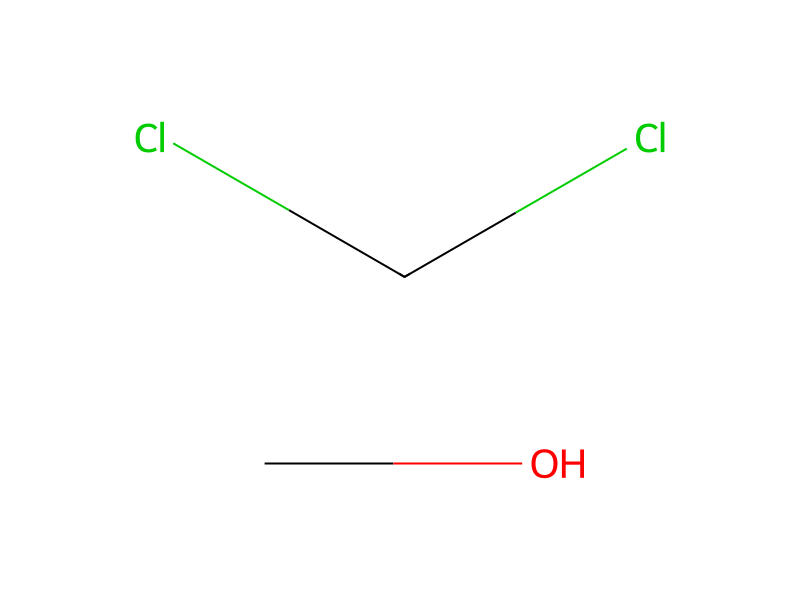
Reagents, catalysts & solvents 1

Procedure
To a solution of dimethyl 2-{4-[2-(t-butoxycarbonylamino)ethoxy]benzyl}-3-isopropylmaleate (287 mg, 0.659 mmol) in methanol (6 mL) was added 5 M hydrochloric acid (5.9 mL) at room temperature, and the mixture was left standing at room temperature for 20 h. The residue obtained by concentrating the mixture under reduced pressure was dissolved in ethyl acetate, and a saturated aqueous sodium hydrogen carbonate solution was added. After separating the phases, the organic layer was concentrated and the residue thus obtained was subjected to LH-20 (dichloromethane-methanol 1:1) to give 222 mg of the title compound as oil (quantitative).
Workup
- waitthe mixture was left
- customThe residue obtained
- concentrationby concentrating the mixture under reduced pressure
- dissolutionwas dissolved in ethyl acetate
- additiona saturated aqueous sodium hydrogen carbonate solution was added
- customAfter separating the phases
- concentrationthe organic layer was concentrated
- customthe residue thus obtained
Sources & evidence
- ORD record
- ord-64d6ca12d19a4fe093acc019e4b8b873
- Source dataset
- uspto-grants-2016_02
- Patent number
- US09260375B2
Reaction notes
Loading…