Hydrochloric Acid → 3-((4-Propylcyclohexyl)cyclohexyl)phenyl propanoate
Reaction equation

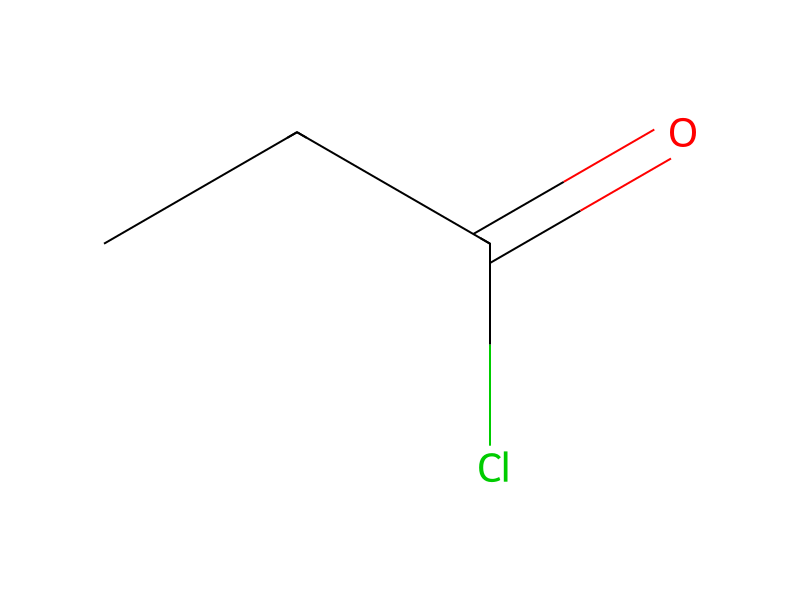
[C:1](Cl)(=[O:4])[CH2:2][CH3:3].[CH2:6]([CH:9]1[CH2:14][CH2:13][CH:12]([C:15]2([C:21]3[CH:22]=[C:23]([OH:27])[CH:24]=[CH:25][CH:26]=3)[CH2:20][CH2:19][CH2:18][CH2:17][CH2:16]2)[CH2:11][CH2:10]1)[CH2:7][CH3:8].O.Cl>N1C=CC=CC=1>[C:1]([O:27][C:23]1[CH:24]=[CH:25][CH:26]=[C:21]([C:15]2([CH:12]3[CH2:13][CH2:14][CH:9]([CH2:6][CH2:7][CH3:8])[CH2:10][CH2:11]3)[CH2:20][CH2:19][CH2:18][CH2:17][CH2:16]2)[CH:22]=1)(=[O:4])[CH2:2][CH3:3]Participants
6





Procedure
Under a nitrogen atmosphere, 1.7 g of propanoyl chloride was added to 5.0 g of 3-((4-propylcyclohexyl)cyclohexyl)phenol (3) dissolved in 10 mL of pyridine under cooling with iced water, and after completing dropwise addition, the mixture was stirred at ambient temperature for 2 hours. The resulting solution was added to 20 mL of 3N hydrochloric acid. The aqueous layer was extracted with diethyl ether, which was added to the organic layer, and the organic layer was washed with a saturated salt solution and then dried over anhydrous magnesium sulfate. The solvent was distilled off to obtain 6.52 g of 3-((4-propylcyclohexyl)cyclohexyl)phenyl propanoate (4).
Workup
- additionaddition
- extractionThe aqueous layer was extracted with diethyl ether, which
- additionwas added to the organic layer
- washthe organic layer was washed with a saturated salt solution
- dry with materialdried over anhydrous magnesium sulfate
- distillationThe solvent was distilled off
Sources & evidence
- ORD record
- ord-40c8bef0bc5d470f8c1c4b99c8dc2dc8
- Source dataset
- uspto-grants-2010_06
- Patent number
- US07740769B2
Reaction notes
Loading…