Water → 1-(2-Cyclohexylethyl)-1-p-tolylhydrazine
Reaction equation

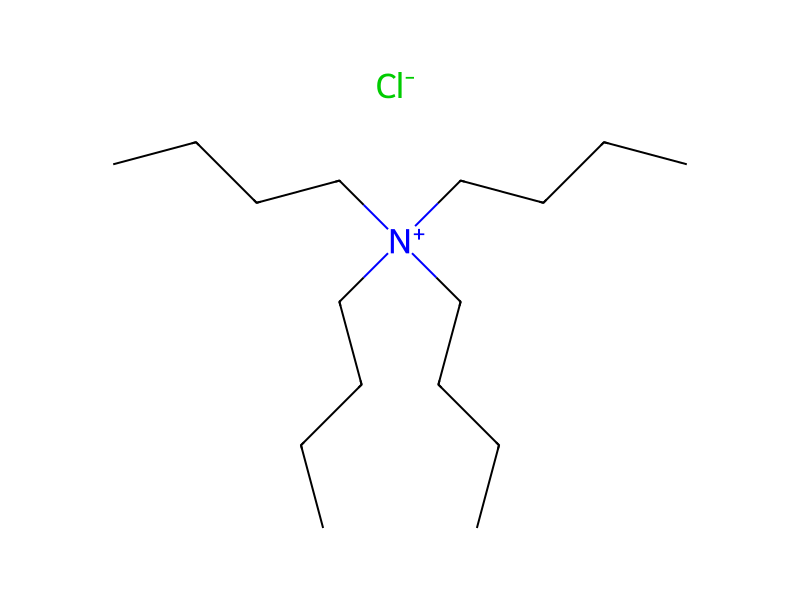
Cl.[C:2]1([CH3:10])[CH:7]=[CH:6][C:5]([NH:8][NH2:9])=[CH:4][CH:3]=1.[CH:11]1([CH2:17][CH2:18]Br)[CH2:16][CH2:15][CH2:14][CH2:13][CH2:12]1.O>[Cl-].C([N+](CCCC)(CCCC)CCCC)CCC.[OH-].[Na+]>[CH:11]1([CH2:17][CH2:18][N:8]([C:5]2[CH:6]=[CH:7][C:2]([CH3:10])=[CH:3][CH:4]=2)[NH2:9])[CH2:16][CH2:15][CH2:14][CH2:13][CH2:12]1Participants
6




Conditions
- Temperature
- 60 °C
Procedure
The title compound was prepared by General Method 2. p-tolylhydrazine hydrochloride (0.96 g, 6.0 mmol) was added to a vigorously stirred mixture of tetra-n-butylammonium chloride (84 mg, 0.3 mmol) in 50% aqueous sodium hydroxide (6 mL) followed by 2-cyclohexylethyl bromide (1.26 g, 6.6 mmol). The mixture was heated at 60° C. (oil bath temp.) for 6 h. After cooling to room temperature, water (20-30 mL) was added and the mixture extracted with chloroform (3×10 mL). The total extract was dried (sodium sulfate), evaporated in vacuo to give a dark oil (1.49 g) which was chromatographed (45 g of silica gel, eluted with dichloromethane) to give the product as a yellow-orange oil (0.68 g, 2.93 mmol, 48.8%).
Workup
- temperatureAfter cooling to room temperature
- extractionthe mixture extracted with chloroform (3×10 mL)
- extractionThe total extract
- dry with materialwas dried (sodium sulfate)
- customevaporated in vacuo
Sources & evidence
- ORD record
- ord-23c70b9ed3d643498f75cc9c2f0006d2
- Source dataset
- uspto-grants-2016_02
- Patent number
- US09260429B2
Reaction notes
Loading…