Hydroquinone → Ethylene Oxide
Reaction equation

[C:1]([OH:5])(=O)[CH:2]=C.S(=O)(=O)(O)O.[C:11]1([CH:18]=[CH:17][C:15]([OH:16])=[CH:14][CH:13]=1)O.[C:19]1(C)[CH:24]=[CH:23][CH:22]=[CH:21][CH:20]=1>>[C:19]1([C:17]2[CH:18]=[CH:11][CH:13]=[CH:14][C:15]=2[OH:16])[CH:24]=[CH:23][CH:22]=[CH:21][CH:20]=1.[CH2:1]1[O:5][CH2:2]1Participants




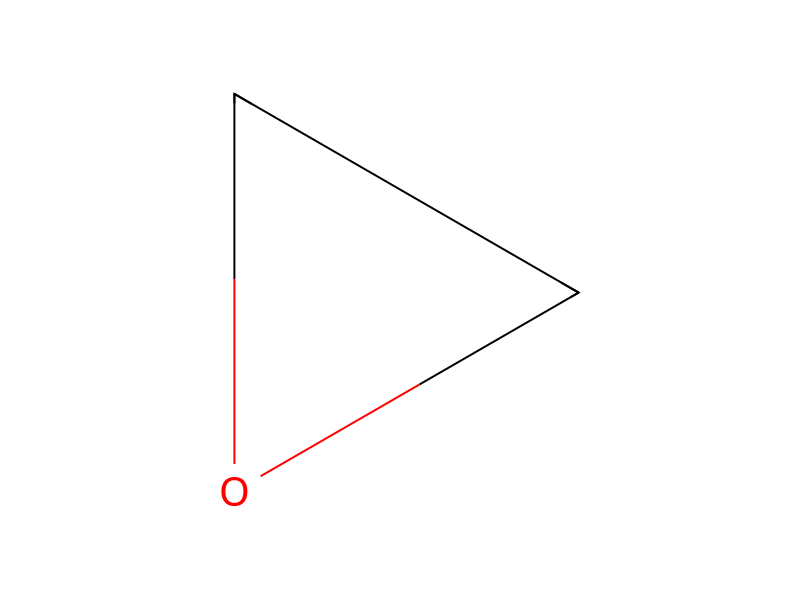

Procedure
346 parts of a compound represented by formula (8) ##STR10## (produced by Sanyo Chemical Industries, Ltd., reaction product of 1 mol of o-phenylphenol and 4 mol of ethylene oxide, trade name: Newpol OPE-40, OH value 162), 86.5 parts of acrylic acid, 400 parts of toluene, 21 parts of sulfuric acid and 6 parts of hydroquinone were charged and the mixture were heated. The produced water was distilled out together with the solvent, condensed and collected in a separator. When 18 parts of water was collected at the separator, the reaction mixture was cooled. The reaction temperature was 130°-140° C. The reaction mixture was solved in 500 parts of toluene, and 380 parts of an acrylate represented by formula (9) was obtained in the same manner as in Example 1. ##STR11##
Sources & evidence
- ORD record
- ord-183ad9146c9c4c89b7d6092854a296ee
- Source dataset
- uspto-grants-1997_05
- Patent number
- US05629445
Reaction notes
Loading…