Water → HCID 2732918, compound
Reaction equation

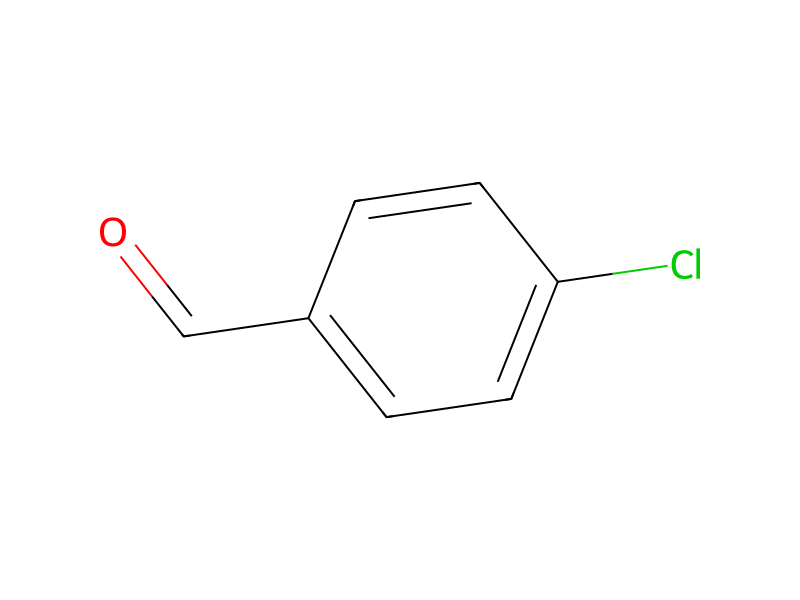
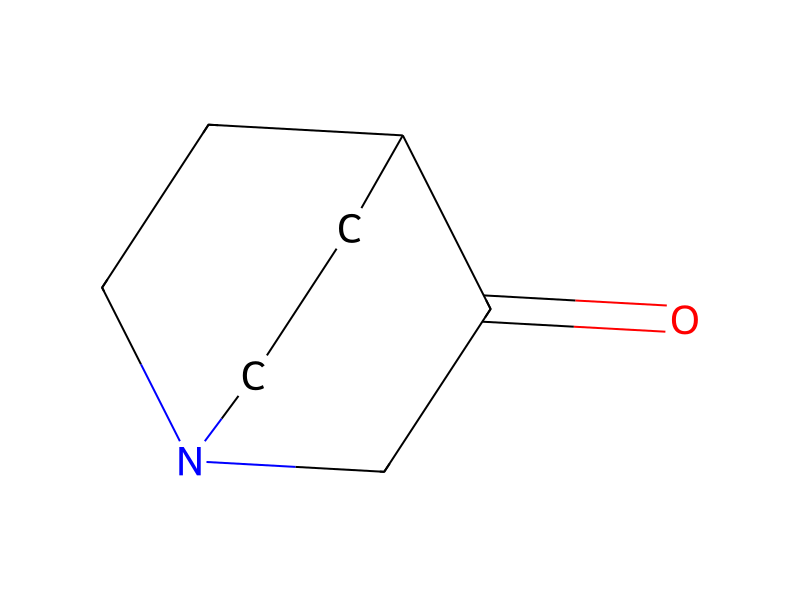
[N:1]12[CH2:8][CH2:7][CH:4]([CH2:5][CH2:6]1)[C:3](=[O:9])[CH2:2]2.[Cl:10][C:11]1[CH:18]=[CH:17][C:14]([CH:15]=O)=[CH:13][CH:12]=1.[OH-].[Na+].O>C(O)C>[Cl:10][C:11]1[CH:18]=[CH:17][C:14]([CH:15]=[C:2]2[C:3](=[O:9])[CH:4]3[CH2:7][CH2:8][N:1]2[CH2:6][CH2:5]3)=[CH:13][CH:12]=1Participants
Reactant 4


Product 1

Reagents, catalysts & solvents 1

Procedure
A solution of 3-quinuclidinone (54.5 g), 4-chlorobenzaldehyde (84.0 g) and sodium hydroxide (3.50 g) in absolute ethanol (400 cm3) was heated at reflux for 2.5 hours. The mixture was cooled and addition of water (100 cm3) caused the product to precipitate as an orange solid. The precipitate was collected and washed with 1:1 ethanol-water (400 cm3). The mother-liquors were stood for 2 days, after which time further precipitated material was collected. The orange solid was redissolved in dichloromethane (800 cm3) and washed with water (200 cm3). The organic phase was dried (MgSO4), filtered and evaporated to dryness to give the title compound as a bright yellow powder (86.2 g, 76%), mp. 108°-110° C.; δH (360 MHz; CDCl3) 1.99-2.05 (4H, m, 2×NCH2CH2), 2.63 [(1H, quintet, J=2.9, (CH2)2CH], 2.92-3.01 (2H, m, 2×NCH), 3.11-3.19 (2H, m, 2×NCH), 6.95 (1H, s, C=CH), 7.33 (2H, d, J=8.6, 2×ArH o to Cl) and 7.98 (2H, d, J=8.6, 2×ArH m to Cl); m/z (CI+ ; NH3) 248 (M+ +H, 100%).
Workup
- temperatureat reflux for 2.5 hours
- temperatureThe mixture was cooled
- customto precipitate as an orange solid
- customThe precipitate was collected
- washwashed with 1:1 ethanol-water (400 cm3)
- customafter which time further precipitated material was collected
- dissolutionThe orange solid was redissolved in dichloromethane (800 cm3)
- washwashed with water (200 cm3)
- dry with materialThe organic phase was dried (MgSO4)
- filtrationfiltered
- customevaporated to dryness
Sources & evidence
- ORD record
- ord-7820dc9305b04fb08a858045efcb9faa
- Source dataset
- uspto-grants-1997_05
- Patent number
- US05631269
Reaction notes
Loading…