Water → 4-Allyoxystyrene
Reaction equation

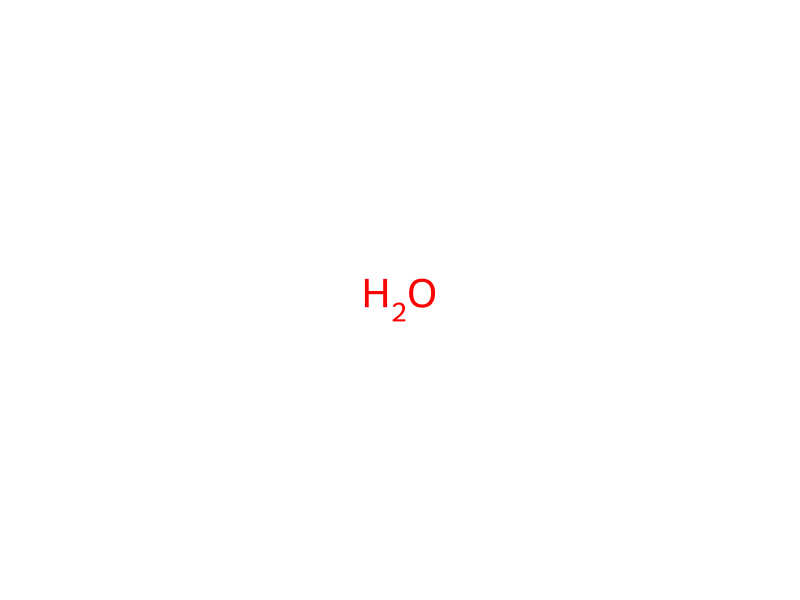
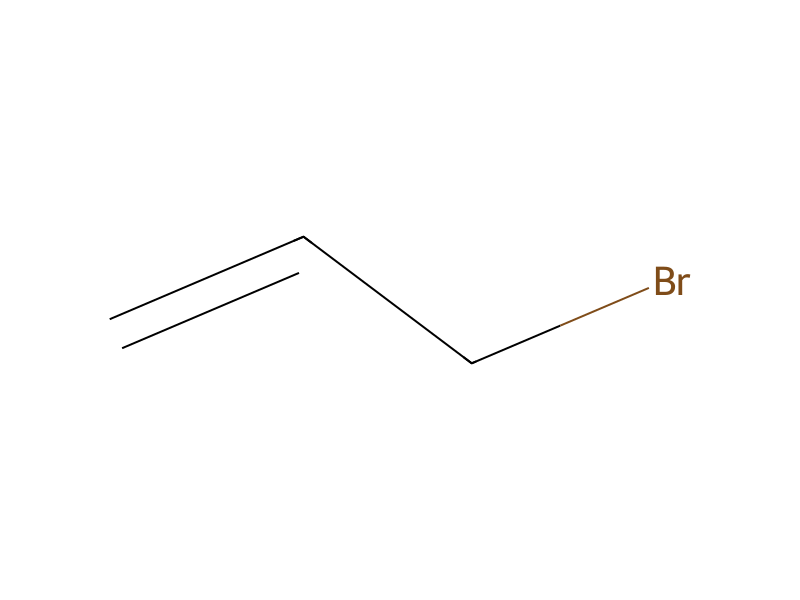
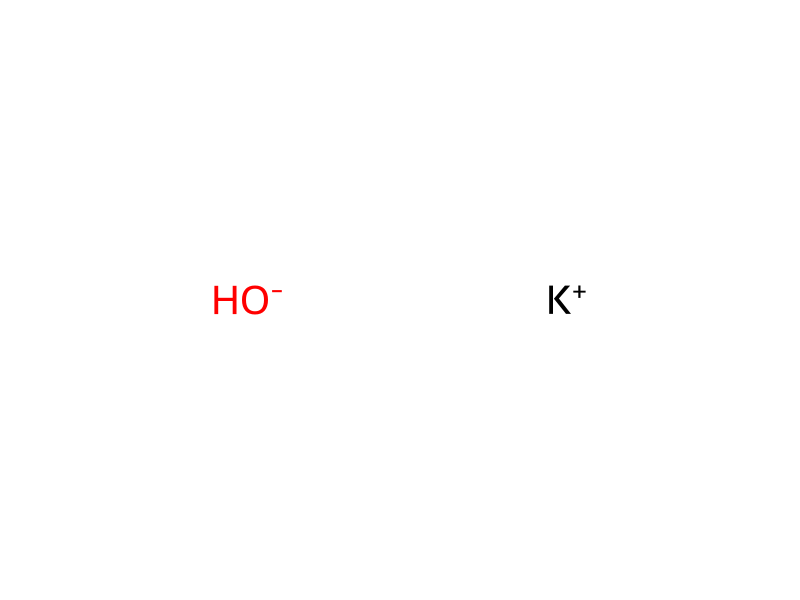
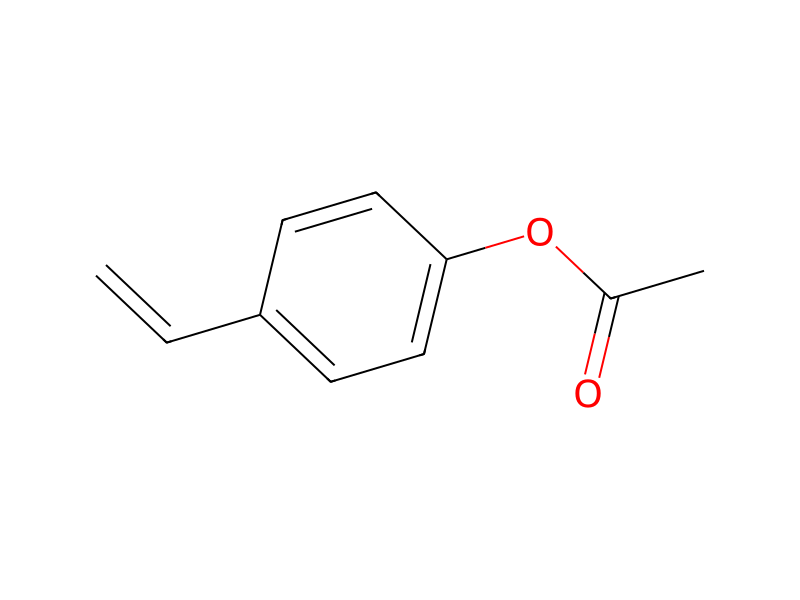
[OH-].[K+].O.[C:4]([O:7][C:8]1[CH:15]=[CH:14][C:11]([CH:12]=[CH2:13])=[CH:10][CH:9]=1)(=O)[CH3:5].[CH2:16](Br)C=C>O1CCOCC1.C1(C)C=CC=CC=1>[CH2:4]([O:7][C:8]1[CH:15]=[CH:14][C:11]([CH:12]=[CH2:13])=[CH:10][CH:9]=1)[CH:5]=[CH2:16]Participants
Reactant 4
Product 1

Reagents, catalysts & solvents 2
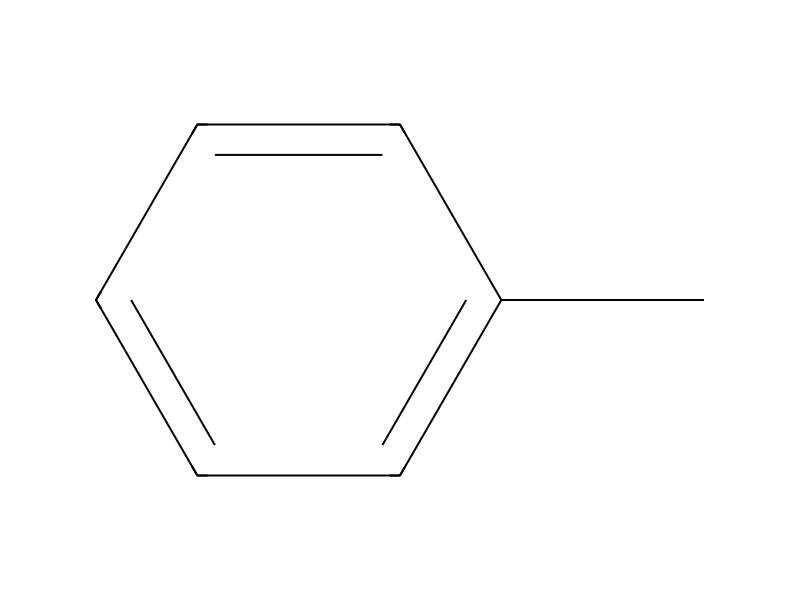
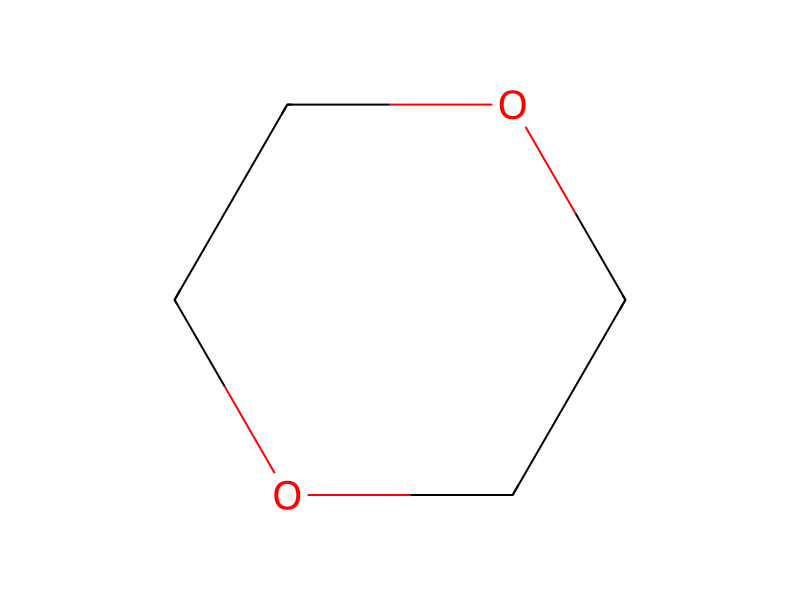
Conditions
- Temperature
- 5 °C
Procedure
To a 4-necked, nitrogen swept, 2 liter glass reaction vessel equipped with a mechanical stirrer, double-walled condenser, thermocouple and pressure compensating addition funnel is added 1,4-dioxane (600 mls), potassium hydroxide (112.0 g, 2.00 moles) and water (39 g). The mixture is stirred and cooled to 10° C. at which time 4-acetoxystyrene (162.0 g, 1.00 moles) is added over approximately 5 minutes. The mixture is stirred for a further 1.5 hour and cooled to 5° C. A solution of allylbromide (133.1 g, 1.10 moles) in 1,4-dioxane (50 mls) is added dropwise over 15 minutes and the reaction mixture is stirred for a further 1.5 hours, while the temperature is maintained between 5° and 10° C. The stirred mixture is gradually heated to 60° C. Heating and stirring are continued at this temperature for a further 2.5 hours. On cooling the mixture is filtered and most of the solvent is removed under reduced pressure. The residue obtained is dissolved in toluene (300 mls) and the solution washed with 4×300 ml portions of water, dried over sodium sulfate and the solvent distilled under reduced pressure to yield crude 4-allyloxystyrene in high yield.
Workup
- customequipped with a mechanical stirrer, double-walled condenser
- additionthermocouple and pressure compensating addition funnel
- additionis added over approximately 5 minutes
- stirringThe mixture is stirred for a further 1.5 hour
- stirringthe reaction mixture is stirred for a further 1.5 hours, while the temperature
- temperatureis maintained between 5° and 10° C
- temperatureThe stirred mixture is gradually heated to 60° C
- temperatureHeating
- stirringstirring
- temperatureOn cooling the mixture
- filtrationis filtered and most of the solvent
- customis removed under reduced pressure
- customThe residue obtained
- washthe solution washed with 4×300 ml portions of water
- dry with materialdried over sodium sulfate
- distillationthe solvent distilled under reduced pressure
Sources & evidence
- ORD record
- ord-63cf88ed289a47f680735419176263a5
- Source dataset
- uspto-grants-1997_05
- Patent number
- US05633411
Reaction notes
Loading…