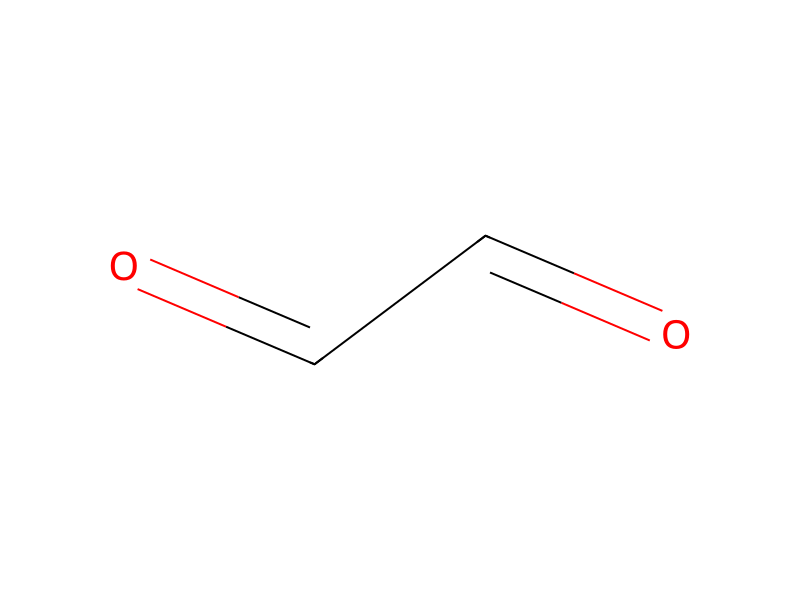
Glyoxal → HCID 5255750, compound
Reaction equation

[N:1]12[CH2:26][CH2:25][NH:24][CH2:23][CH2:22][NH:21][CH2:20][CH2:19][N:10]([CH2:11][CH2:12][NH:13][CH2:14][CH2:15][NH:16][CH2:17][CH2:18]1)[CH2:9][CH2:8][NH:7][CH2:6][CH2:5][NH:4][CH2:3][CH2:2]2.[Ba].C(N)CN(CCN)CCN.C(C=O)=O>>[N:1]12[CH2:18][CH2:17][N:16]=[CH:15][CH:14]=[N:13][CH2:12][CH2:11][N:10]([CH2:9][CH2:8][N:7]=[CH:6][CH:5]=[N:4][CH2:3][CH2:2]1)[CH2:19][CH2:20][N:21]=[CH:22][CH:23]=[N:24][CH2:25][CH2:26]2Participants


Procedure
There is interest in nitrogen-donor cryptands for the preparation of room-temperature stable alkalides and electrides (Kim, J., et al., J. Am. Chem. Soc., 121 10666-10667 (1999)) which led to reinvestigation of the synthesis of 1,4,7,10,13,16,21,24-octaazabicyclo[8.8.8]hexacosane (1), the aza analog of cryptand [2.2.2] (Xie, Q., et al., J. Am. Chem. Soc. 122 6971-6978 (2000)). Compound 1 was used for the preparation of the first barium sodide (Redko, M. Y., et al., JACS 125 2259-2263 (2003)). A reaction sequence in which tren is condensed with glyoxal to form the intermediate 1,4,7,10,13,16,21,24-octaazabicyclo [8.8.8]hexacosa-4,6,13,15,21,23-hexaene (2) has been described by Smith et al (Smith, P. H., et al., J. Org. Chem. 58 7939-7941 (1993)), who also obtained the crystal structures of both compounds 1 and 2. While this method is satisfactory, it leads to gelatinous byproducts which lowered the yield and required the separation of compound 2 from the gelatinous byproducts via a 3-day Soxhlet extraction followed by filtration. The gels are polymers formed from the reactants and are very difficult to separate from the compound 2. The purified compound 2 was then reduced with LiAlH4 in THF or NaBH4 in MeOH to give a low overall purified yield of 45% of compound 1. A large excess of moderately expensive reducing agent(s) is required.
Sources & evidence
- ORD record
- ord-5142d963d8614728b1d522ca8767fa7b
- Source dataset
- uspto-grants-2009_03
- Patent number
- US07498432B2
Reaction notes
Loading…