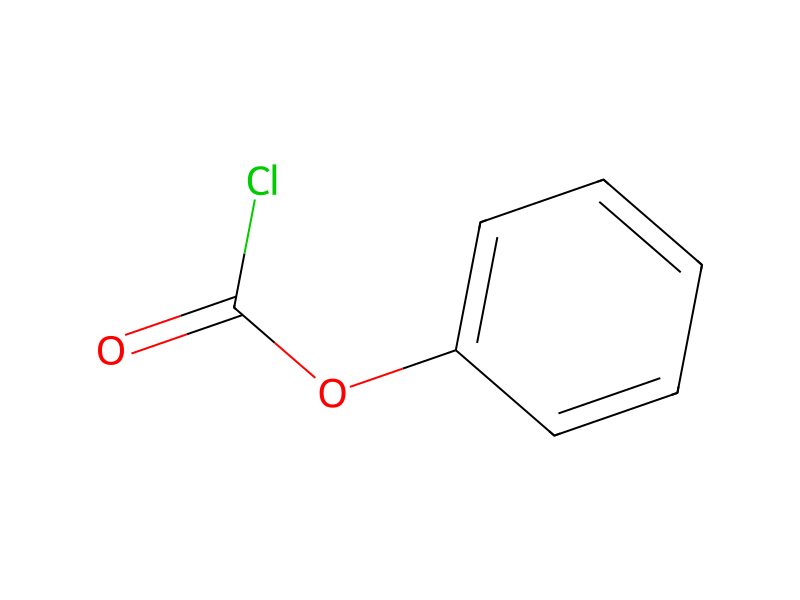
Phenyl chloroformate → HCID 57590875, compound
Reaction equation

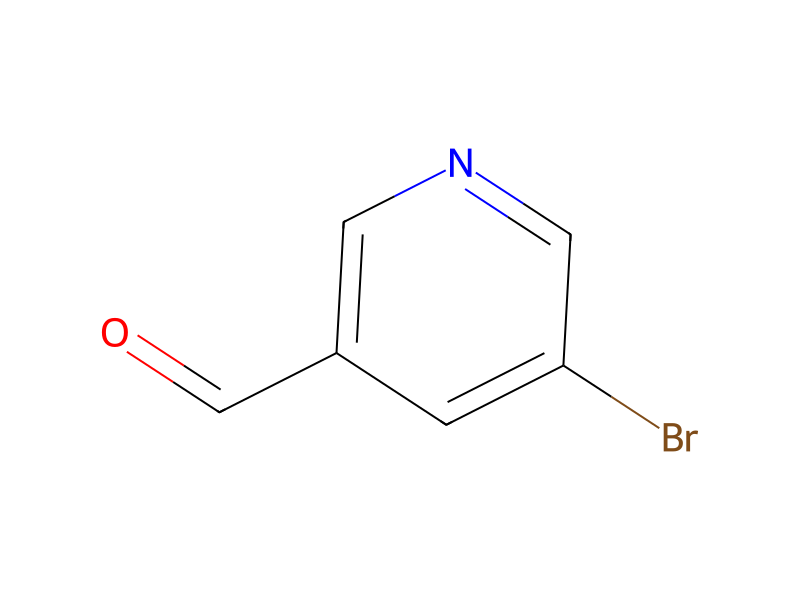
[Br:1][C:2]1[CH:3]=[N:4][CH:5]=[C:6]([CH:9]=1)[CH:7]=[O:8].[C:10]1([O:16][C:17](Cl)=[O:18])[CH:15]=[CH:14][CH:13]=[CH:12][CH:11]=1.[Br-].[CH2:21]([Zn+])[C:22]1[CH:27]=[CH:26][CH:25]=[CH:24][CH:23]=1.[Cl-].[NH4+]>C1COCC1>[CH2:21]([CH:9]1[C:6]([CH:7]=[O:8])=[CH:5][N:4]([C:17]([O:16][C:10]2[CH:15]=[CH:14][CH:13]=[CH:12][CH:11]=2)=[O:18])[CH:3]=[C:2]1[Br:1])[C:22]1[CH:27]=[CH:26][CH:25]=[CH:24][CH:23]=1Participants




Conditions
- Temperature
- 0 °C
Procedure
A solution of 5-bromonicotinaldehyde (7-1) (930 mg, 5 mmol, 1 eq) in anhydrous THF (10 ml) was cooled to 0° C. and treated with phenylchloroformate (783 mg, 5 mmol, 1eq). The reaction mixture was then stirred at this temperature for 1 h before the addition of benzylzinc bromide (0.5M in THF, 10 ml, 5 mmol, 1eq). The resulting solution was stirred at 0° C. for another 30 min, was then allowed to warm to room temperature and poured into saturated aqueous solution of ammonium chloride. The organic layer was separated and the aqueous layer was extracted three times with ethyl acetate, the combined organic extracts were dried and concentrated to give the title dyhydropyridine 7-2, which was used in the next step without further purification. LRMS m/z: found 398.0, 400.0, calcd. (M+H) 398.0, 400.0
Workup
- temperatureto warm to room temperature
- customThe organic layer was separated
- extractionthe aqueous layer was extracted three times with ethyl acetate
- customthe combined organic extracts were dried
- concentrationconcentrated
- customto give the title dyhydropyridine 7-2, which
- customwas used in the next step without further purification
Sources & evidence
- ORD record
- ord-fafcb209e0344b24b1ded107304c4640
- Source dataset
- uspto-grants-2009_03
- Patent number
- US07501435B2
Reaction notes
Loading…