Ammonia → 5-Bromo-7-fluoro-2,3-dihydro-1H-isoindol-1-one
Reaction equation

C[O:2][C:3](=O)[C:4]1[C:9]([CH2:10][N+:11]([O-])=O)=[CH:8][C:7]([Br:14])=[CH:6][C:5]=1[F:15].C([O-])=O.[NH4+].N>CO.C(Cl)Cl.[Zn]>[Br:14][C:7]1[CH:8]=[C:9]2[C:4](=[C:5]([F:15])[CH:6]=1)[C:3](=[O:2])[NH:11][CH2:10]2Participants






Procedure
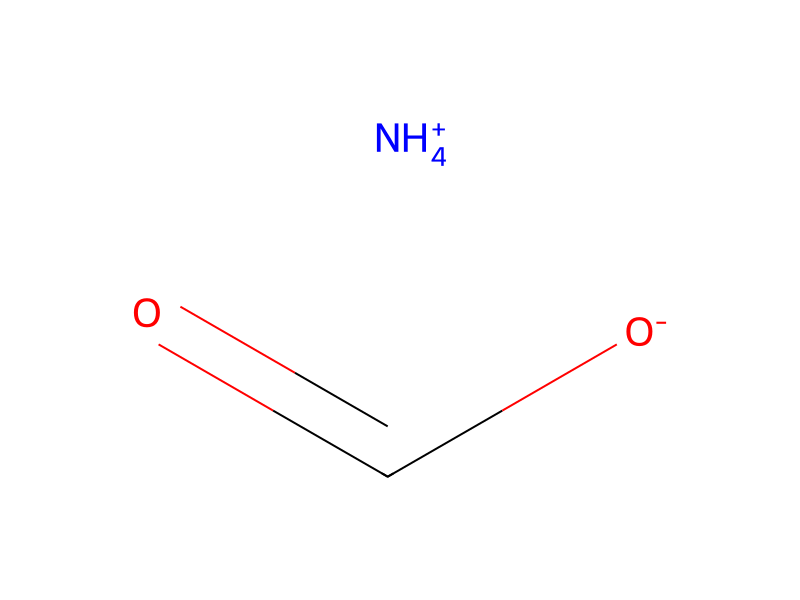
Crude 4-bromo-2-fluoro-6-(nitromethyl)benzoic acid methyl ester from the previous step is dissolved in MeOH (100 mL). To this clear orange solution is added Zinc dust (3.35 g, 51.3 mmol, 3 equiv.) followed by ammonium formate (3.23 g, 51.3 mmol, 3 equiv.) which results in an exothermic reaction. After 0.3 h, 7M NH3 in MeOH (50 mL) is added and the mixture is stirred overnight at room temperature. The resulting mixture is filtered through celite, and the yellow filtrate is adsorbed on silica and roughly cleaned by LC using 94/6 DCM/MeOH 7M NH3. Removal of the solvent affords a tan solid that is redissolved in DCM, washed with 10% NaOH, and concentrated under reduced pressure to leave a white solid, which is triturated further with small amounts of DCM to afford the title compound. LCMS: Rt 0.96 min (100%) m/z 230/232 (M+H)+.
Workup
- customresults in an exothermic reaction
- filtrationThe resulting mixture is filtered through celite
- customRemoval of the solvent
- customaffords a tan solid
- washwashed with 10% NaOH
- concentrationconcentrated under reduced pressure
- customto leave a white solid, which
- customis triturated further with small amounts of DCM
Sources & evidence
- ORD record
- ord-d7a5d50cbcc84b2588b75eadef826e0e
- Source dataset
- uspto-grants-2009_03
- Patent number
- US07501411B2
Reaction notes
Loading…