(1,1-Dimethylethyl)urea → (1,1-Dimethylethyl)urea
Reaction equation

[C:1]([C@H:4]([C@@H:6]([C:8]([O-:10])=[O:9])[OH:7])[OH:5])([O-:3])=[O:2].[C:11]([NH:15][C:16]([NH2:18])=[O:17])([CH3:14])([CH3:13])[CH3:12]>>[C:11]([NH:15][C:16]([NH2:18])=[O:17])([CH3:14])([CH3:13])[CH3:12].[C:8]([OH:10])(=[O:9])[C@H:6]([C@@H:4]([C:1]([OH:3])=[O:2])[OH:5])[OH:7]Participants
4


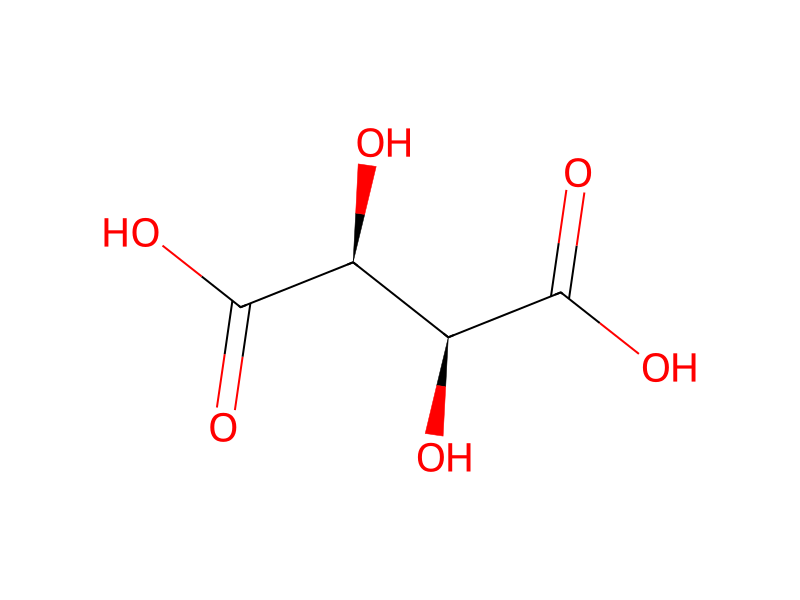
Procedure
The batch 1 D-tartrate of (208), was reconverted to the free base (a necessary part of the chiral assay procedure) using the procedure given above (to give 3.49 g), and the D-tartrate formation procedure was repeated as described to give the batch 2 salt of (208), 4.41 g (92% from D-tartaric acid) (chiral LC: 1.7% at 8.34 min and 96.22% at 8.98 min=96.5% ee after preparative derivatisation as the tert-butylurea (208)).
Workup
- customgiven above (to give 3.49 g)
Sources & evidence
- ORD record
- ord-6d641a6ce846447a866203aa6b991174
- Source dataset
- uspto-grants-2009_03
- Patent number
- US07504522B2
Reaction notes
Loading…