Potassium Carbonate → HCID 8881677, compound
Reaction equation

[Cl:1][C:2]1[CH:7]=[C:6]([N+:8]([O-:10])=[O:9])[CH:5]=[CH:4][C:3]=1[OH:11].[C:12](=[O:15])([O-])[O-].[K+].[K+].[F:18][C:19]1[CH:20]=[C:21]([CH:24]=[CH:25][CH:26]=1)CBr>CC#N>[Cl:1][C:2]1[CH:7]=[C:6]([N+:8]([O-:10])=[O:9])[CH:5]=[CH:4][C:3]=1[O:11][C:12](=[O:15])[C:25]1[CH:24]=[CH:21][CH:20]=[C:19]([F:18])[CH:26]=1Participants
5
Reactant 3


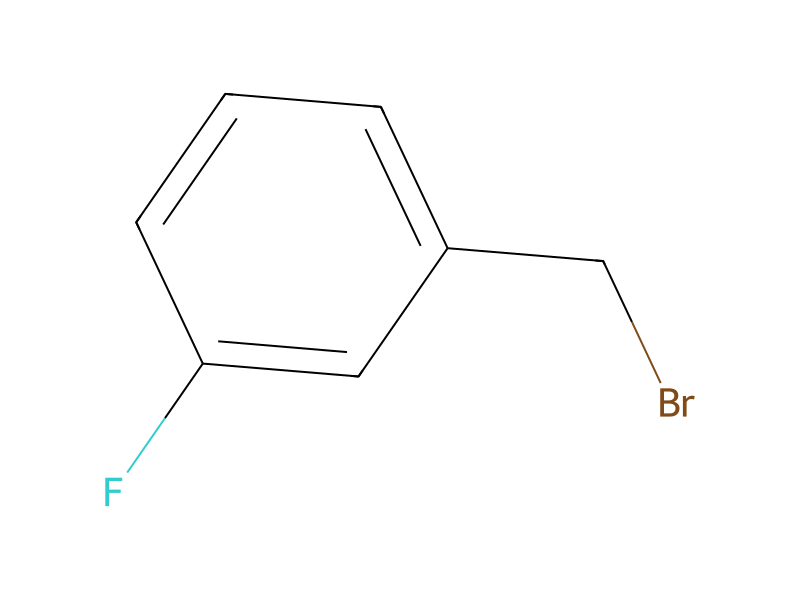
Product 1

Reagents, catalysts & solvents 1

Conditions
- Temperature
- 70 °C
Procedure
To 90 mL CH3CN was added 2-chloro-4-nitrophenol (15 g, 86.4 mmol) followed by potassium carbonate (17.9 g, 129.6 mmol). To the stirring suspension was added via dropping funnel a 10 mL CH3CN solution of 3-fluoro-benzylbromide (16.3 g, 86.4 mmol). The contents were stirred and heated at 70° C. for 18 h, after which time the bright yellow mixture was allowed to cool to rt. The yellow contents were poured onto H20 (200 mL) and stirred, upon which solid formation occurs. The solid was filtered and filter cake washed with additional H20 (50 mL). The collected solid was dried in vacuo, yielding 2-chloro-1-(3-fluoro-benzoyloxy)-4-nitro-benzene (23 g, 94%) as a white solid.
Workup
- additionTo the stirring suspension was added
- temperatureto cool to rt
- additionThe yellow contents were poured onto H20 (200 mL)
- stirringstirred, upon which solid formation
- filtrationThe solid was filtered
- filtrationfilter cake
- washwashed with additional H20 (50 mL)
- customThe collected solid was dried in vacuo
Sources & evidence
- ORD record
- ord-740b5fe49f094879a5d9a0eac5b4ba9c
- Source dataset
- uspto-grants-2009_03
- Patent number
- US07511048B2
Reaction notes
Loading…