Ethylene Oxide → Gabapentin
Reaction equation

[CH2:1]1[CH2:6][CH2:5][C:4]([CH2:11][NH2:12])([CH2:7][C:8]([OH:10])=[O:9])[CH2:3][CH2:2]1.Cl.C1OC1>C(O)CCC>[CH2:1]1[CH2:2][CH2:3][C:4]([CH2:11][NH2:12])([CH2:7][C:8]([OH:10])=[O:9])[CH2:5][CH2:6]1Participants
4
Reactant 2
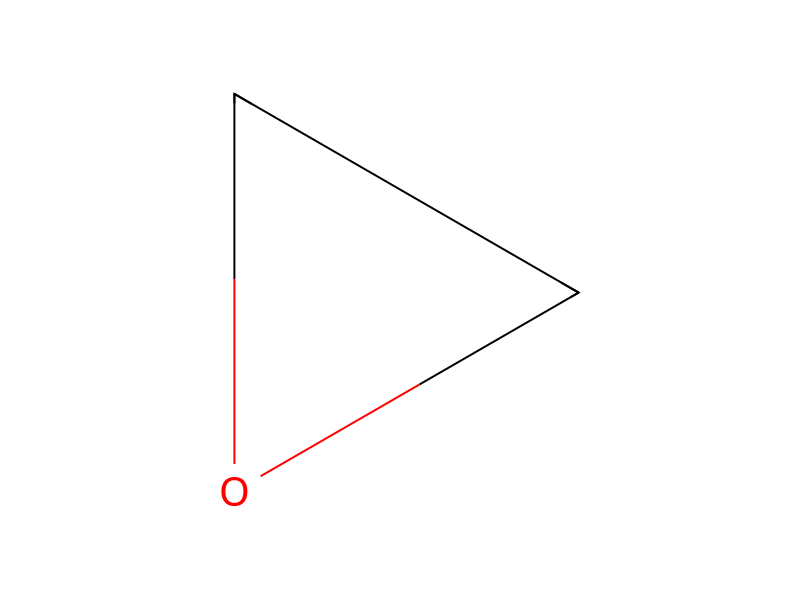

Product 1
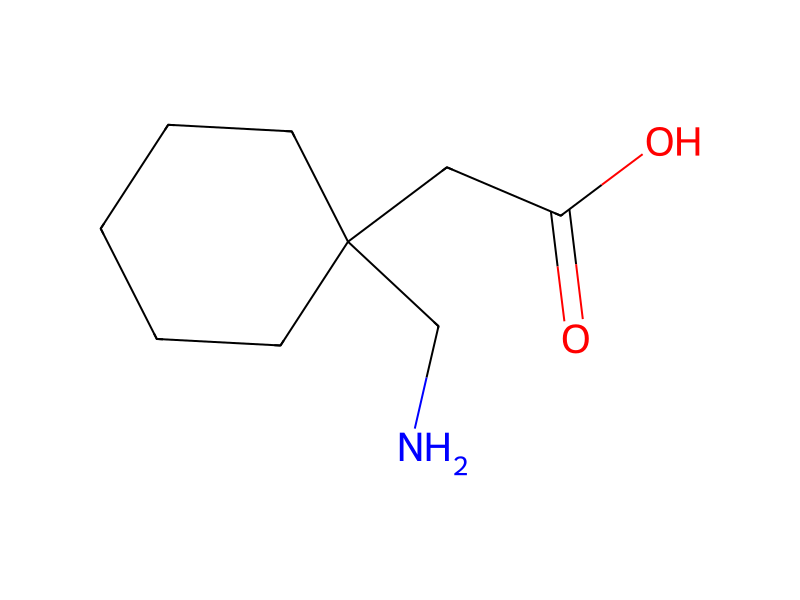
Reagents, catalysts & solvents 1

Conditions
- Temperature
- -5 °C
Procedure
Gabapentin hydrochloride (72 mmol) was suspended in 50 mL of n-butanol and heated gently until complete dissolution. The solution was cooled below 110° C. and ethylene oxide (144 mmol) was added in one portion. The mixture was stirred for 16 hours below 10° C., after which it was cooled to −5° C. Pure gabapentin was recovered by filtration and washed with cold isopropanol. Drying at 40–50° C. under reduced pressure afforded 9.6 g of pure gabapentin. Same as Example 2, but ethylene was used instead of propylene oxide 9.6 g were recovered.
Workup
- temperatureheated gently until complete dissolution
- temperatureThe solution was cooled below 110° C.
- filtrationPure gabapentin was recovered by filtration
- washwashed with cold isopropanol
- customDrying at 40–50° C. under reduced pressure
Sources & evidence
- ORD record
- ord-f65092b4471e4eac9815f0dc7e6142f9
- Source dataset
- uspto-grants-2006_07
- Patent number
- US07071356B1
Reaction notes
Loading…