Vinyl Acetate → Triethylene glycol monovinyl ether monoacetate
Reaction equation

[C:1]([O-:4])(=[O:3])[CH3:2].[Na+].C(O)COCCOCCO.C(OC=C)(=O)C.[CH:22]([O:24][CH2:25][CH2:26][O:27][CH2:28][CH2:29][O:30][CH2:31][CH2:32]OC=C)=[CH2:23].C(OCCOCCOCCO)=C>C1(C)C=CC=CC=1>[C:1]([O:4][CH2:32][CH2:31][O:30][CH2:29][CH2:28][O:27][CH2:26][CH2:25][O:24][CH:22]=[CH2:23])(=[O:3])[CH3:2]Participants
7
Reactant 5

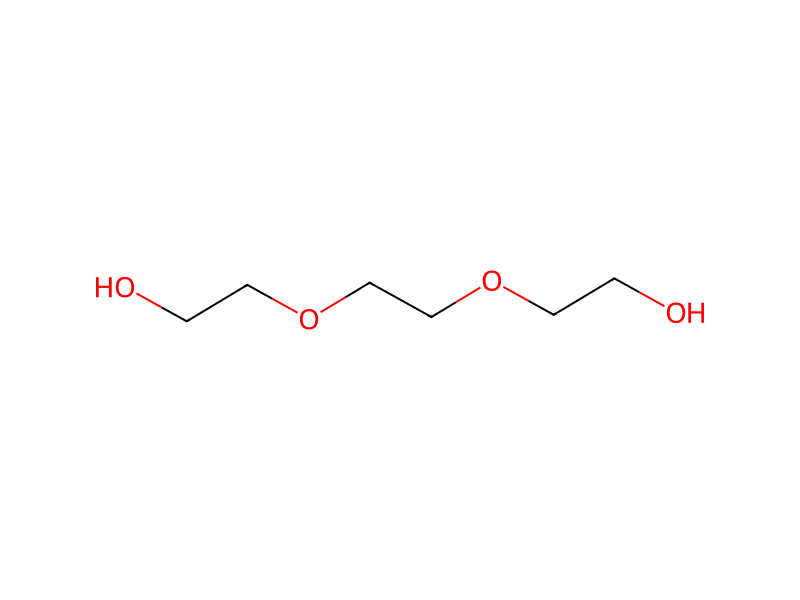


Product 1

Reagents, catalysts & solvents 1

Conditions
- Temperature
- 100 °C
Procedure
To a mixture of di-μ-chlorobis(1,5-cyclooctadiene)diiridium(I) [Ir(cod)Cl]2 (0.01 mmol) and sodium acetate (1.2 mmol) in toluene (2.0 ml),triethylene glycol (1 mmol) and vinyl acetate (4 mmol) were added, followed by stirring at 100° C. in an atmosphere of argon gas for 6 hours. The reaction mixture was analyzed by gas chromatography to find that triethylene glycol divinyl ether, triethylene glycol monovinyl ether, and triethylene glycol monovinyl ether monoacetate were produced in yields of 63%, 3%, and 18%, respectively, with a conversion from triethylene glycol of 100%.
Workup
- additionwere added
Sources & evidence
- ORD record
- ord-23d6d4ffa44348848a0b664c32a65c64
- Source dataset
- uspto-grants-2006_07
- Patent number
- US07074970B2
Reaction notes
Loading…