Hydrochloric Acid → HCID 22034125, compound
Reaction equation

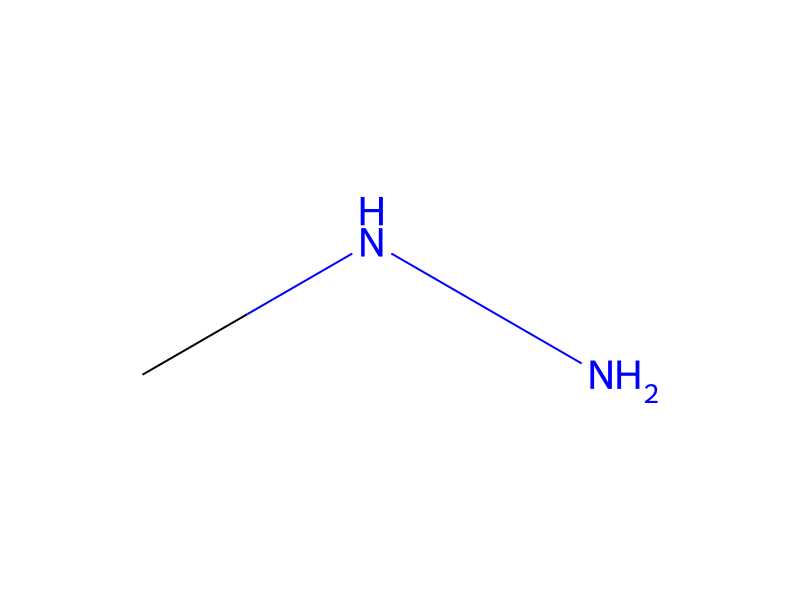
[Cl:1][C:2]1[CH:7]=[CH:6][CH:5]=[C:4]([Cl:8])[C:3]=1[C:9](=O)[C:10](=[N:18]O)[C:11](=O)[C:12]([O:14][CH2:15][CH3:16])=[O:13].Cl.[CH3:22][NH:23][NH2:24]>CO>[NH2:18][C:10]1[C:11]([C:12]([O:14][CH2:15][CH3:16])=[O:13])=[N:24][N:23]([CH3:22])[C:9]=1[C:3]1[C:2]([Cl:1])=[CH:7][CH:6]=[CH:5][C:4]=1[Cl:8]Participants
5
Reactant 3


Product 1

Reagents, catalysts & solvents 1

Procedure
To a solution of ethyl 4-(2,6-dichlorophenyl)-3-(hydroxyimino)-2,4-dioxobutanoate (14 g, 44 mmol) in MeOH (400 mL) at 0° C., add dropwise-concentrated HCl (10 mL) followed by methyl hydrazine (2.02 g, 44 mmol). Stir the reaction mixture at ambient temperature for 8 h and concentrate in vacuo. Partition the residue between EtOAc (400 mL) and saturated aqueous NaHCO3 (150 mL) and separate the layers. Add water (200 mL) to the organic layer, followed by sodium hydrosulfite (150 g) and stir the resulting mixture vigorously for 4 h. Separate the organic phase, wash with water (200 mL), brine (200 mL), dry over MgSO4 and evaporate to obtain the title compound.
Workup
- concentrationconcentrate in vacuo
- customPartition the residue between EtOAc (400 mL) and saturated aqueous NaHCO3 (150 mL)
- customseparate the layers
- stirringstir the resulting mixture vigorously for 4 h
- customSeparate the organic phase
- washwash with water (200 mL), brine (200 mL)
- dry with materialdry over MgSO4
- customevaporate
Sources & evidence
- ORD record
- ord-ee8a7298a6884a1f828e5aabb66ebe39
- Source dataset
- uspto-grants-2006_07
- Patent number
- US07074929B2
Reaction notes
Loading…