Thionyl Chloride → 5-(6-Bromoquinazolin-4-yl)-thiophen-2-sulfonyl chloride
Reaction equation

[Cl:1][S:2]([OH:5])(=O)=[O:3].S(Cl)(Cl)=O.[Br:10][C:11]1[CH:12]=[C:13]2[C:18](=[CH:19][CH:20]=1)[N:17]=[CH:16][N:15]=[C:14]2[C:21]1[S:22][CH:23]=[CH:24][CH:25]=1.C(=O)(O)[O-].[Na+]>O>[Br:10][C:11]1[CH:12]=[C:13]2[C:18](=[CH:19][CH:20]=1)[N:17]=[CH:16][N:15]=[C:14]2[C:21]1[S:22][C:23]([S:2]([Cl:1])(=[O:5])=[O:3])=[CH:24][CH:25]=1Participants
6

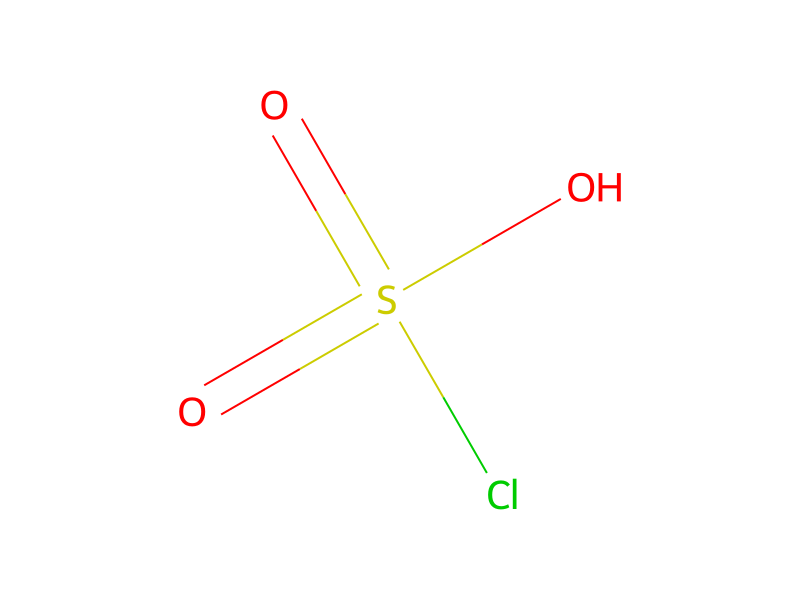




Conditions
- Temperature
- 60 °C
Procedure
14.4 mL chlorosulfonic acid and 14.42 mL thionyl chloride were added to 7.78 g of 6-bromo-4-(2-thienyl)quinazoline (compound in Production Example 96) under ice-cooling in a stream of nitrogen, and the mixture was heated at 60° C. for 16 hours, then poured into iced water, neutralized by adding a sodium bicarbonate solution and extracted with dichloromethane. The organic layer was dried over anhydrous sodium sulfate. The residue was recrystallized from ether/hexane, to give 2.47 g of the title compound (pale skin-colored crystals).
Workup
- temperaturecooling in a stream of nitrogen
- extractionextracted with dichloromethane
- dry with materialThe organic layer was dried over anhydrous sodium sulfate
- customThe residue was recrystallized from ether/hexane
Sources & evidence
- ORD record
- ord-2f60f7cf671249b0acf69f03ed62bc04
- Source dataset
- uspto-grants-2006_07
- Patent number
- US07074801B1
Reaction notes
Loading…