Water → 5-Chloro-N-(2-nitrophenyl)-2-pyridinamine
Reaction equation

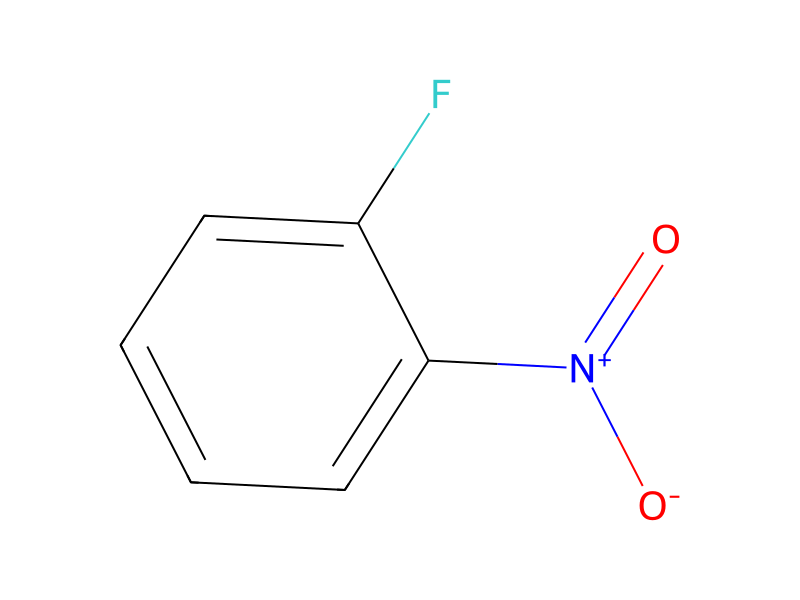
[OH-].[K+].F[C:4]1[CH:9]=[CH:8][CH:7]=[CH:6][C:5]=1[N+:10]([O-:12])=[O:11].[Cl:13][C:14]1[CH:15]=[CH:16][C:17]([NH2:20])=[N:18][CH:19]=1.O>CS(C)=O>[Cl:13][C:14]1[CH:15]=[CH:16][C:17]([NH:20][C:4]2[CH:9]=[CH:8][CH:7]=[CH:6][C:5]=2[N+:10]([O-:12])=[O:11])=[N:18][CH:19]=1Participants
6





Conditions
- Temperature
- 20 °C
Procedure
9.9 g potassium hydroxide powder and 5.0 g 1-fluoro-2-nitrobenzene were added little by little in this order to a solution of 5.8 g 5-chloro-2-aminopyridine in dimethyl sulfoxide (100 mL), and the mixture was stirred at 20° C. for 4 hours under nitrogen atmosphere. The reaction solution was poured into iced water and extracted with ethyl acetate. The organic layer was washed with water and brine and dried over sodium sulfate. The solvent was evaporated, and the residue was purified by NH silica gel column chromatography (ethyl acetate/hexane) and recrystallized from ethyl acetate/hexane, to give 6.02 g of the title compound as orange crystals.
Workup
- extractionextracted with ethyl acetate
- washThe organic layer was washed with water and brine
- dry with materialdried over sodium sulfate
- customThe solvent was evaporated
- customthe residue was purified by NH silica gel column chromatography (ethyl acetate/hexane)
- customrecrystallized from ethyl acetate/hexane
Sources & evidence
- ORD record
- ord-9ea422943cb34707b6430d78d4335819
- Source dataset
- uspto-grants-2006_07
- Patent number
- US07074801B1
Reaction notes
Loading…