2-Mercaptobenzoic Acid → 4-((alpha-R)-alpha-((2 S,5R)-2,5-Dimethyl-1-piperazinyl)-3-trifluoromethylsulfonyloxy-benzyl)-N,N-diethylbenzamide
Reaction equation

C([N:4]1[C@H:9]([CH3:10])[CH2:8][N:7]([C@H:11]([C:26]2[CH:38]=[CH:37][C:29]([C:30]([N:32]([CH2:35][CH3:36])[CH2:33][CH3:34])=[O:31])=[CH:28][CH:27]=2)[C:12]2[CH:17]=[CH:16][CH:15]=[C:14]([O:18][S:19]([C:22]([F:25])([F:24])[F:23])(=[O:21])=[O:20])[CH:13]=2)[C@@H:6]([CH3:39])[CH2:5]1)C=C.C(O)(=O)C1C(=CC=CC=1)S>O1CCCC1.C1(P(C2C=CC=CC=2)CCCCP(C2C=CC=CC=2)C2C=CC=CC=2)C=CC=CC=1>[CH3:39][C@H:6]1[CH2:5][NH:4][C@H:9]([CH3:10])[CH2:8][N:7]1[C@H:11]([C:26]1[CH:27]=[CH:28][C:29]([C:30]([N:32]([CH2:35][CH3:36])[CH2:33][CH3:34])=[O:31])=[CH:37][CH:38]=1)[C:12]1[CH:17]=[CH:16][CH:15]=[C:14]([O:18][S:19]([C:22]([F:23])([F:24])[F:25])(=[O:20])=[O:21])[CH:13]=1Participants
Reactant 2


Product 1

Reagents, catalysts & solvents 2

Procedure
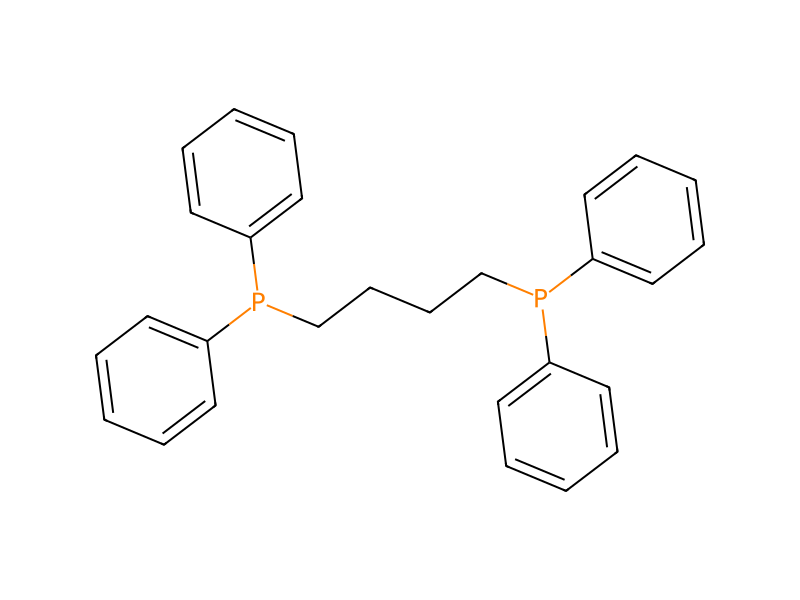
A solution of 4-((alpha-R)-alpha-((2S,5R)-4-allyl-2,5-dimethyl-1-piperazinyl)-3-trifluoromethylsulfonyloxybenzyl)-N,N-diethylbenzamide (0.72 g, 1.286 mmol) and thiosalicylic acid (234.7 mg, 1.522 mmol) in anhydrous tetrahydrofuran (4 mL) was stirred under nitrogen for 3 h at room temperature with a catalyst solution prepared by dissolution of bis(dibenzylidineacetone)palladium (36.46 mg, 0.0634 mmol) and 1,4-bis(diphenylphosphino)butane (27.04 mg, 0.0634 mmol) in tetrahydrofuran (0.5 mL). The reaction mixture was evaporated to dryness, the residue dissolved in a mixture of ethyl acetate/ether (1:3, 20 mL) and extracted with 5% sodium carbonate solution (2×15 mL). The organic layer was diluted with two volumes of pentane and extracted with 3M-hydrochloric acid (5×4 mL). The aqueous solution was adjusted to pH 9–10 with concentrated ammonia solution and extracted with methylene chloride (3×10 mL). The combined organic extracts were dried over anhydrous sodium sulfate and evaporated to yield 4-((alpha-R)-alpha-((2S,5R)-2,5-dimethyl-1-piperazinyl)-3-trifluoromethylsulfonyloxybenzyl)-N,N-diethylbenzamide as a brittle pale yellow foam (0.63 g). The product showed a single spot on thin layer chromatography (silica gel, EM60F264, 2% NH4OH in ethyl acetate, Rf=0.33). 1H NMR (CDCl3, 500 MHz); δ 0.95 (d, J=6 Hz, 3H); 1.13 (br m, 3H); 1.20 (d, J=6.1 Hz, 3H); 1.26 (br m, 3H); 1.50 (t, J=9.7 Hz, 1H); 2.31 (m, 1H); 2.64 (dd J=11.3, 2.5, 1H); 2.71 (m, 1H); 2.95 (m, 1H); 3.29 (br m, 2H); 3.56 (br m, 2H); 5.43 (s, 1H); 7.04 (m, 1H); 7.21 (d, J=7.7, 1H); 7.24 ( dd, J=8.2, 2.2 Hz, 1H); 7.34 (d, J=8.2 Hz, 2H); 7.42 (d, J=8.1 Hz, 2H); 7.48 (t, J=8 Hz, 1H).
Workup
- customThe reaction mixture was evaporated to dryness
- dissolutionthe residue dissolved in a mixture of ethyl acetate/ether (1:3, 20 mL)
- extractionextracted with 5% sodium carbonate solution (2×15 mL)
- additionThe organic layer was diluted with two volumes of pentane
- extractionextracted with 3M-hydrochloric acid (5×4 mL)
- extractionextracted with methylene chloride (3×10 mL)
- dry with materialThe combined organic extracts were dried over anhydrous sodium sulfate
- customevaporated
Sources & evidence
- ORD record
- ord-811be8b8b04146419ceb3e461d14cec0
- Source dataset
- uspto-grants-2006_04
- Patent number
- US07030124B2
Reaction notes
Loading…