Purine → 2,4-Diimino-1,2,3,4-tetrahydropyrimidin-5-amine
Reaction equation

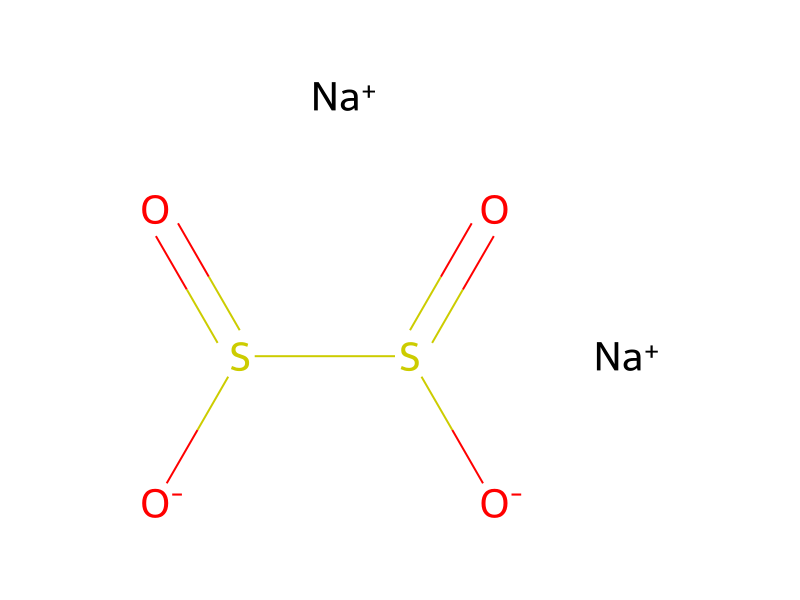
[N:1]1C=CC=NC=1.[N:7]1[CH:15]=[C:14]2[C:10]([N:11]=C[NH:13]2)=[N:9][CH:8]=1.S(S([O-])=O)([O-])=O.[Na+].[Na+]>>[NH2:13][C:14]1[C:10]([NH2:11])=[N:9][C:8]([NH2:1])=[N:7][CH:15]=1Participants



Procedure
The amine of the formula 69 is subsequently reacted with a substituted chloropyrimidine. The amine can be condensed, for example, with 2-amino-6-chloro-5-nitro-4-(3H)-pyrimidinone in the presence of a tertiary amine base, preferably triethylamine, in refluxing n-butanol to give a pyrimidine compound of formula 70. The pyrimidine compound of formula 70 can then be converted to a purine derivative by a two step procedure. In the first step, the nitro moiety of the pyrimidine is reduced with, for example, sodium dithionite, to give a triaminopyrimidine intermediate. Alternative reducing agents and conditions that can also successfully reduce the nitro group include NaBH4/THF, NaBH4—BiCl3, Sn/HCl, SnCl2, Mg/(NH4)2SO4/MeOH, CuBr.SMe2, TiCl2(Cp)2/Sm, iron and nickel catalyzed procedures. In the second step, treatment of the triaminopyrimidine intermediate with formic acid, hydrochloric acid, and an orthoformate derivative, e.g., triethylorthoformate, effects cyclization and provides the methylene compound of formula 71. The methylene compound of formula 71 can be converted to the compound of formula 21 by the oxidation procedure described in the final steps of Processes B and C.
Sources & evidence
- ORD record
- ord-4b475517048c4c3582e8cd4dd3edad03
- Source dataset
- uspto-grants-2006_04
- Patent number
- US07034152B2
Reaction notes
Loading…