Diethyl Oxalate → Ethyl 3-(6-methoxy-3-nitropyridin-2-yl)-2-oxopropanoate
Reaction equation

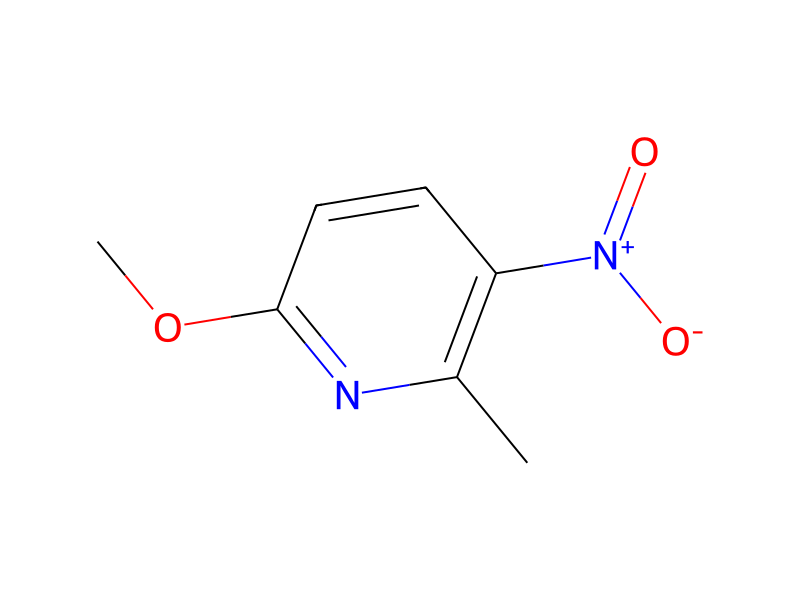
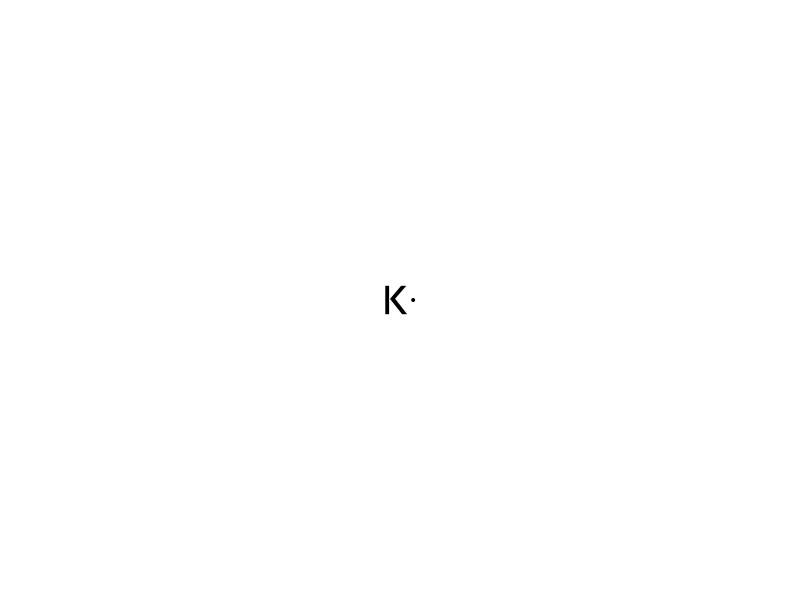
[K].[C:2]([O:9][CH2:10][CH3:11])(=[O:8])[C:3]([O:5]CC)=O.[CH3:12][O:13][C:14]1[N:19]=[C:18]([CH3:20])[C:17]([N+:21]([O-:23])=[O:22])=[CH:16][CH:15]=1>C(O)C>[CH3:12][O:13][C:14]1[N:19]=[C:18]([CH2:20][C:3](=[O:5])[C:2]([O:9][CH2:10][CH3:11])=[O:8])[C:17]([N+:21]([O-:23])=[O:22])=[CH:16][CH:15]=1Participants
5
Reactant 3

Product 1

Reagents, catalysts & solvents 1

Procedure
A roundbottom flask was charged with ethanol (540 ml) and (7.2 L). To this was added potassium (81.6 g, 2.09 mol) and mixture was stirred until all the potassium dissolved. Diethyl oxalate (306 g, 2.10 mol) was then added. The mixture was stirred for 5 minutes and then 6-methoxy-2-methyl-3-nitropyridine (320.0 g, 1.87 mol) was added. The resulting solution was stirred at room temperature for 36 hours. The slurry was filtered and the collected solids were washed thoroughly with ether and dried under reduced pressure. The solid was then suspended in 30 ml of water acetic acid was added until the pH=4. The solids that formed were collected by filtration to afford the title compound.
Workup
- dissolutiondissolved
- stirringThe resulting solution was stirred at room temperature for 36 hours
- filtrationThe slurry was filtered
- washthe collected solids were washed thoroughly with ether
- customdried under reduced pressure
- additionwas added until the pH=4
- customThe solids that formed
- filtrationwere collected by filtration
Sources & evidence
- ORD record
- ord-7f283420907e42fdabb4b995861cad5b
- Source dataset
- uspto-grants-2013_01
- Patent number
- US08344144B2
Reaction notes
Loading…