Piperazine → HCID 67442567, compound
Reaction equation

[CH3:1][O:2][C:3]([C:5]1[CH:6]=[C:7]2[C:12](=[CH:13][CH:14]=1)[NH:11][CH:10]([C:15]1[CH:20]=[C:19]([F:21])[CH:18]=[C:17](Br)[CH:16]=1)[C:9]([CH3:24])([CH3:23])[CH2:8]2)=[O:4].[NH:25]1[CH2:30][CH2:29][NH:28][CH2:27][CH2:26]1.N1CCC[C@H:32]1C(O)=O.[OH-].[K+].[Cl-].[NH4+]>CS(C)=O.[Cu+]>[CH2:1]([O:2][C:3]([C:5]1[CH:6]=[C:7]2[C:12](=[CH:13][CH:14]=1)[NH:11][CH:10]([C:15]1[CH:16]=[C:17]([N:25]3[CH2:30][CH2:29][NH:28][CH2:27][CH2:26]3)[CH:18]=[C:19]([F:21])[CH:20]=1)[C:9]([CH3:24])([CH3:23])[CH2:8]2)=[O:4])[CH3:32]Participants






Conditions
- Temperature
- 120 °C
Procedure
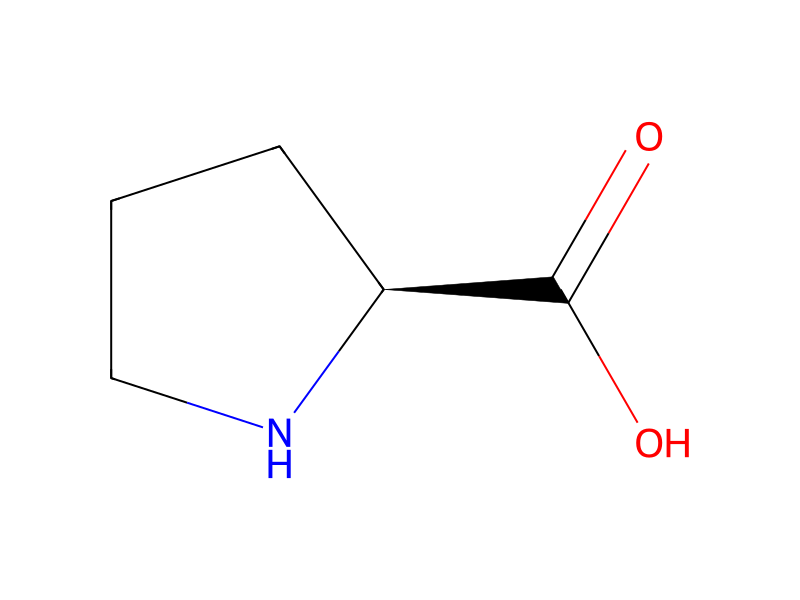
A mixture of 2-(3-bromo-5-fluoro-phenyl)-3,3-dimethyl-1,2,3,4-tetrahydro-quinoline-6-carboxylic acid methyl ester (0.41 g, 1.0 mmol), piperazine (0.26 g, 3.0 mmol), copper (I) iodidie (110 mg, 0.6 mmol), L-proline (69 mg, 0.6 mmol) and potassium hydroxide (33.6 mg, 0.6 mmol) in DMSO (2 mL) was stirred at 120° C. for 2 hours. Then treated with saturated ammonium chloride (20 mL), extracted with ether (100 mL). After removal of solvent, the residue was purified on flash silica gel chromatography (silica gel from QingDao, 200-300 mesh, glass column from Shanghai SD company) (40% ethyl acetate/hexanes) to afford 2-(3-fluoro-5-piperazin-1-yl-phenyl)-3,3-dimethyl-1,2,3,4-tetrahydro-quinoline-6-carboxylic acid ethyl ester (0.18 g, 43%) as a white solid: LC/MS m/e calcd for C24H30FN3O2 (M+H)+: 412.5, observed: 412.3.
Workup
- extractionextracted with ether (100 mL)
- customAfter removal of solvent
- customthe residue was purified on flash silica gel chromatography (silica gel from QingDao, 200-300 mesh, glass column from Shanghai SD company) (40% ethyl acetate/hexanes)
Sources & evidence
- ORD record
- ord-5135916e9a6a4788afc40258871f05ca
- Source dataset
- uspto-grants-2013_01
- Patent number
- US08344137B2
Reaction notes
Loading…