Ethylene → Ethylene
Reaction equation

[CH3:1][C@@H:2]1OC(=O)[C@H](C)OC1=O.[C:11](N)(=O)[CH2:12]CCCCCCCCCCCCCCCCCCCC.C=C.[C:37]([O:41][CH2:42][CH2:43][CH2:44][CH3:45])(=[O:40])[CH:38]=[CH2:39].C(OCC1OC1)(=O)C(C)=C.C=C.[C:58]([O:62][CH2:63][CH2:64][CH2:65][CH3:66])(=[O:61])[CH:59]=[CH2:60].C(OCC1OC1)(=O)C(C)=C>>[CH2:1]=[CH2:2].[C:37]([O:41][CH2:42][CH2:43][CH2:44][CH3:45])(=[O:40])[CH:38]=[CH2:39].[CH2:11]=[CH2:12].[C:58]([O:62][CH2:63][CH2:64][CH2:65][CH3:66])(=[O:61])[CH:59]=[CH2:60]Participants

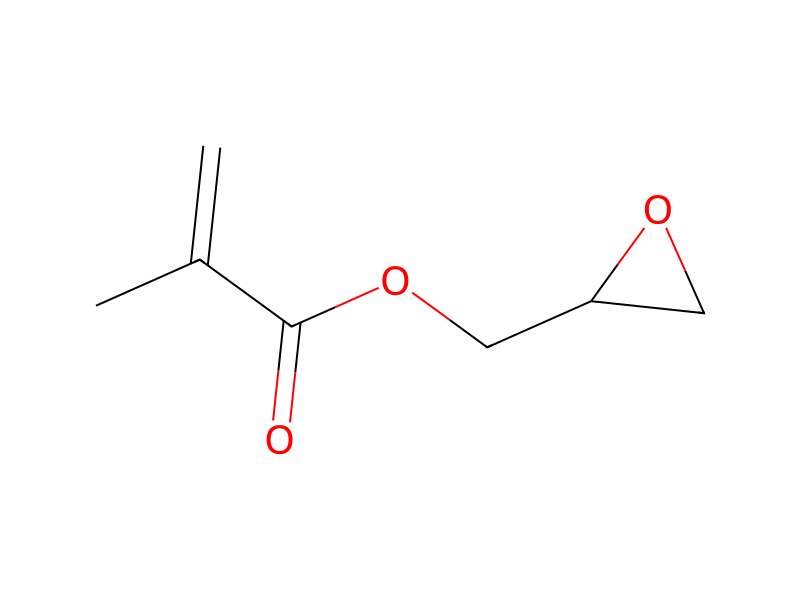
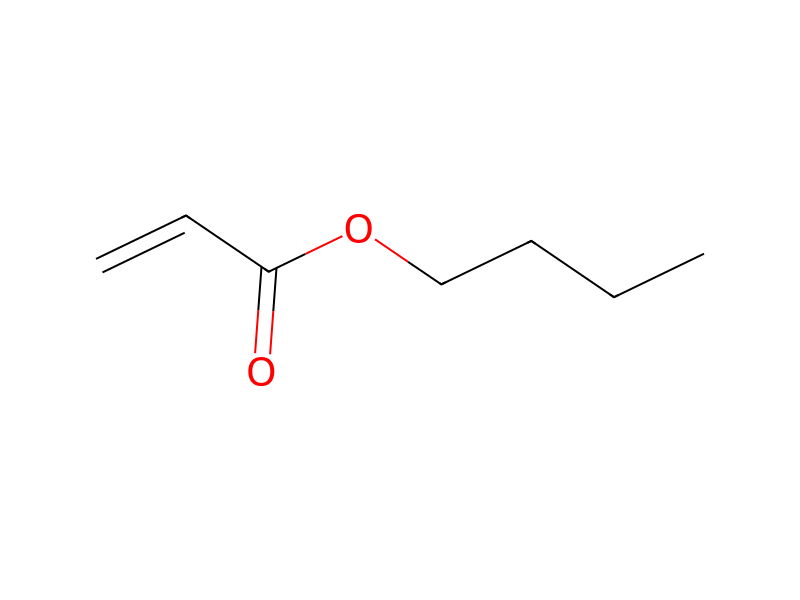

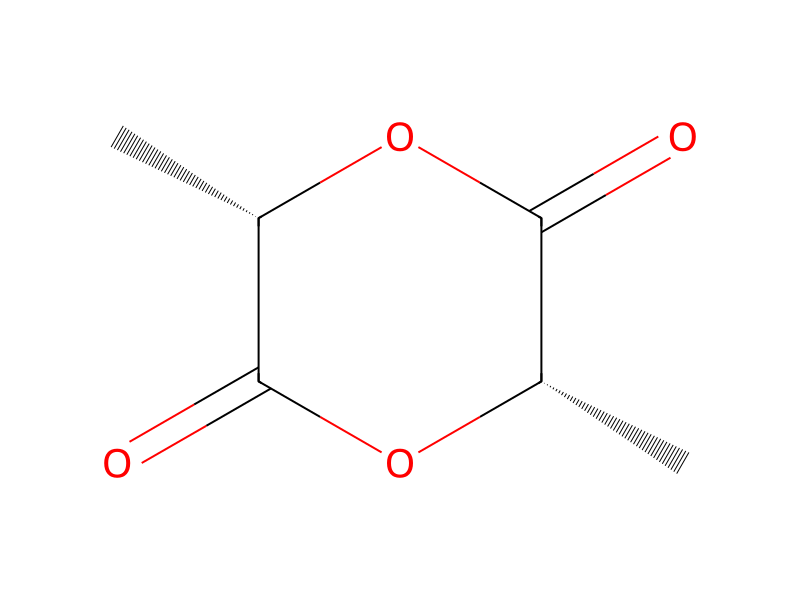


Conditions
- Temperature
- 20 °C
Procedure
PLA2002D: pellets were purchased from NatureWorks LLC (Minnetonka, Minn. USA) and had a melt viscosity about 1500 Pa-s (190° C. and 100s−1), a melt point maximum endotherm at 150° C., and crystallinity generated with a second 10° C./minute heating of pellets previously heated to complete melting at 250° C. and cooled to 20° C. of about 0.5 J/g. PLA2002D is described by the supplier as having a major portion of L-lactide and about 4.3 to 5% “non L-lactide”. Behenamide: Crodamide° BR available from Croda Inc, Edison, N.J. EBAGMA: an autoclave-produced ethylene/n-butyl acrylate/glycidyl methacrylate terpolymer (monomer ratio 66.75 wt % ethylene, 28 wt % n-butyl acrylate, 5.25 wt % glycidyl methacrylate), melt index 12 g/10 minute, 190° C., 2.16 kg load as measured by ASTM method D1238, melting range 50° C. to 80° C. EBA: a tubular-reactor produced ethylene/n-butyl acrylate dipolymer (monomer ratio 73 wt % ethylene, 27 wt % n-butyl acrylate), melt index 4 g/10 minute, 190° C., 2.16 kg load as measured by ASTM method D1238; melting point 94° C.
Workup
- custom(190° C. and 100s−1)
- customat 150° C.
- temperatureheating of pellets
- temperaturepreviously heated to complete melting at 250° C.
- customindex 12 g/10 minute, 190° C., 2.16 kg load
Sources & evidence
- ORD record
- ord-bc6f36baa3d34f53888413f23214ccff
- Source dataset
- uspto-grants-2013_01
- Patent number
- US08349955B2
Reaction notes
Loading…