Acetic Acid → HCID 44242107, compound
Reaction equation

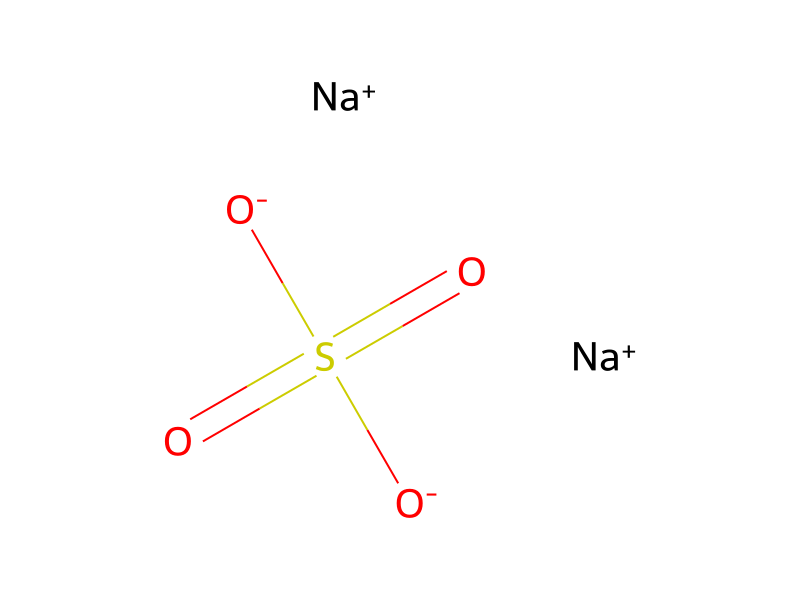
[NH:1]1[C:9]2[C:4](=[CH:5][CH:6]=[CH:7][CH:8]=2)[C:3]([CH2:10][C@@H:11]([NH2:18])[C:12]2[S:13][CH:14]=[C:15]([CH3:17])[N:16]=2)=[CH:2]1.[CH3:19][N:20]([CH3:34])[C:21]1([C:28]2[CH:33]=[CH:32][CH:31]=[CH:30][CH:29]=2)[CH2:26][CH2:25][C:24](=O)[CH2:23][CH2:22]1.S([O-])([O-])(=O)=O.[Na+].[Na+].C(O)(=O)C>O1CCCC1>[NH:1]1[C:9]2[C:4](=[CH:5][CH:6]=[CH:7][CH:8]=2)[C:3]([CH2:10][C@@H:11]([NH:18][CH:24]2[CH2:23][CH2:22][C:21]([C:28]3[CH:29]=[CH:30][CH:31]=[CH:32][CH:33]=3)([N:20]([CH3:34])[CH3:19])[CH2:26][CH2:25]2)[C:12]2[S:13][CH:14]=[C:15]([CH3:17])[N:16]=2)=[CH:2]1Participants
Reactant 4



Product 1

Reagents, catalysts & solvents 1

Procedure
A solution of (R)-2-(1H-indol-3-yl)-1-(4-methylthiazol-2-yl)ethylamine (500 mg, 1.94 mmol) and 4-dimethylamino-4-phenylcyclohexanone (421 mg, 1.94 mmol) in anhydrous tetrahydrofuran (40 mL) was mixed with sodium sulphate (1.00 g) and stirred for 3 h at room temperature. After adding, acetic acid (291 mg, 287 μL, 4.85 mmol), sodium triacetoxyboron hydride (574 mg, 2.71 mmol) was added and the mixture stirred overnight at room temperature. The mixture was then filtered, the filtrate concentrated to low volume in a vacuum, the residue mixed with 1M potassium carbonate solution (50 mL) and extracted with ethyl acetate (3×30 mL). The combined organic phases were dried with sodium sulphate and concentrated to low volume in a vacuum. The raw product (876 mg) was purified by flash chromatography (100 g, 20×4.0 cm) with ethyl acetate/methanol [95:5→9:1 and 1% ammonia in each case (33% in water)]. The non-polar diastereoisomer (450 mg) was purified once again by flash chromatography (38 g, 20×2.5 cm) with dichloromethane/methanol (300:9) and 1% ammonia (33% in water). The polar diastereoisomer (262 mg) was also purified once again by flash chromatography (18 g, 20×2.0 cm) with dichloromethane/methanol (24:1) and 1% ammonia (33% in water).
Workup
- additionAfter adding
- stirringthe mixture stirred overnight at room temperature
- filtrationThe mixture was then filtered
- concentrationthe filtrate concentrated to low volume in a vacuum
- additionthe residue mixed with 1M potassium carbonate solution (50 mL)
- extractionextracted with ethyl acetate (3×30 mL)
- dry with materialThe combined organic phases were dried with sodium sulphate
- concentrationconcentrated to low volume in a vacuum
- customThe raw product (876 mg) was purified by flash chromatography (100 g, 20×4.0 cm) with ethyl acetate/methanol [95:5→9:1 and 1% ammonia in each case (33% in water)]
- customThe non-polar diastereoisomer (450 mg) was purified once again by flash chromatography (38 g, 20×2.5 cm) with dichloromethane/methanol (300:9) and 1% ammonia (33% in water)
- customThe polar diastereoisomer (262 mg) was also purified once again by flash chromatography (18 g, 20×2.0 cm) with dichloromethane/methanol (24:1) and 1% ammonia (33% in water)
Sources & evidence
- ORD record
- ord-0aa6df60cfef47fdb213b2f8aa85fad5
- Source dataset
- uspto-grants-2013_01
- Patent number
- US08357705B2
Reaction notes
Loading…