Methanol → HCID 67236413, compound
Reaction equation

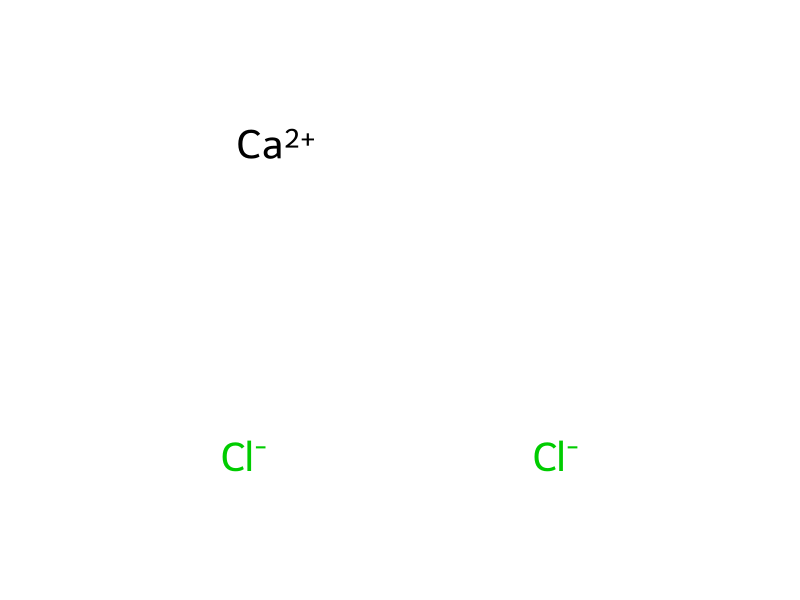
[CH3:1][C:2]1[CH:3]=[CH:4][C:5]([C:8]2[N:12]([C:13]3[CH:14]=[CH:15][C:16]([S:19]([NH2:22])(=[O:21])=[O:20])=[CH:17][CH:18]=3)[N:11]=[C:10]([C:23]([F:26])([F:25])[F:24])[CH:9]=2)=[CH:6][CH:7]=1.[OH-].[Na+].CO.[Cl-].[Cl-].[Ca+2:33]>>[CH3:1][C:2]1[CH:3]=[CH:4][C:5]([C:8]2[N:12]([C:13]3[CH:14]=[CH:15][C:16]([S:19]([NH2:22])(=[O:21])=[O:20])=[CH:17][CH:18]=3)[N:11]=[C:10]([C:23]([F:25])([F:24])[F:26])[CH:9]=2)=[CH:6][CH:7]=1.[Ca:33]Participants
5




Procedure
To celecoxib (100 mg; 0.262 mmol) was added a solution of 1 M NaOH in methanol (0.29 mL; 0.29 mmol). The mixture was gently warmed with occasional swirling until all the solids were dissolved resulting in a colorless solution. To the solution was added a 3 M CaCl2 solution in methanol (0.131 mL; 0.393 mmol). A solid formed within minutes. The precipitate was filtered and the powder was dried overnight with flowing nitrogen gas. Characterization of the product mixture was achieved via TGA (FIG. 25), Raman spectroscopy (FIG. 26), and PXRD (FIG. 27) and showed the presence of celecoxib Ca salt and NaCl.
Workup
- temperatureThe mixture was gently warmed
- dissolutionwere dissolved
- customresulting in a colorless solution
- customA solid formed within minutes
- filtrationThe precipitate was filtered
- customthe powder was dried overnight with flowing nitrogen gas
Sources & evidence
- ORD record
- ord-cbd1e96eea4543f1b4dd38236d3ae766
- Source dataset
- uspto-grants-2013_01
- Patent number
- US08362062B2
Reaction notes
Loading…