Water → Famciclovir
Reaction equation

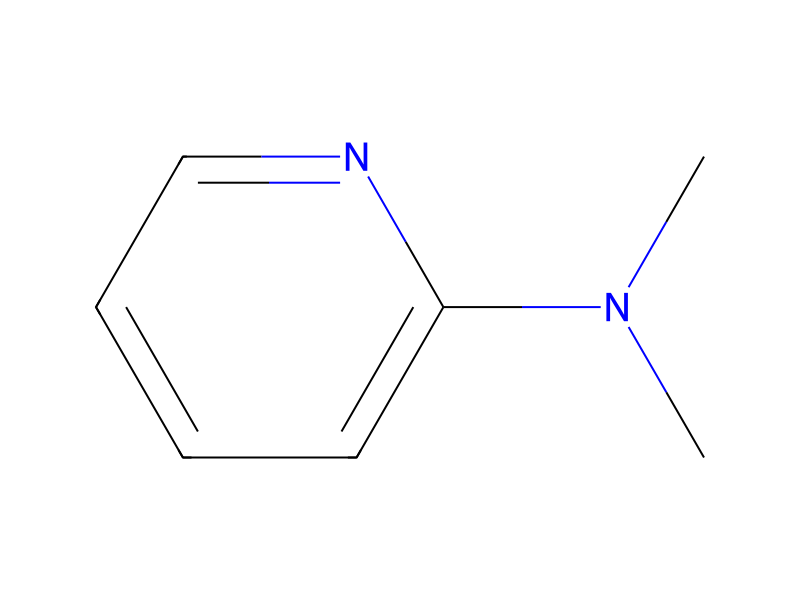
[NH2:1][C:2]1[N:10]=[C:9]2[C:5]([N:6]=[CH:7][N:8]2[CH2:11][CH2:12][CH:13]([CH2:16][OH:17])[CH2:14][OH:15])=[CH:4][N:3]=1.C(N([CH2:23][CH3:24])CC)C.CN(C1C=CC=CN=1)C.[C:34](OC(=O)C)(=[O:36])[CH3:35].[OH2:41]>ClCCl>[CH3:35][C:34]([O:15][CH2:14][CH:13]([CH2:16][O:17][C:23]([CH3:24])=[O:41])[CH2:12][CH2:11][N:8]1[C:9]2[N:10]=[C:2]([NH2:1])[N:3]=[CH:4][C:5]=2[N:6]=[CH:7]1)=[O:36]Participants
Reactant 5




Product 1

Reagents, catalysts & solvents 1

Procedure
To a dry 1 L flask were added the intermediate diol 5 (50 g, 21.5 mmol), dichloromethane (500 ml), triethylamine (31 g, 30.6 mmol) and catalytic dimethylaminopyridine (3.1 g). The acetic anhydride (120 g, 31 mmol) was then added dropwise, keeping the solution at 25˜30° C. The reaction mixture was stirred at room temperature for 10 hours. Water was added to dilute the reaction mixture, and 5% Sodium hydroxyl solution (5%) was added till the solution turned neutral. The separated organic layer was washed with water (200 ml×2), saturated brine and dried by sodium sulphate. The dichloromethane was then removed under reduced pressure, and residue was dissolved with boiling methanol (180 ml). The famciclovir crystallized out by keeping the methanol solution at 0˜4° C. for 4 hours (60 g, yield 90%).
Workup
- customat 25˜30° C
- additionwas added till the solution
- washThe separated organic layer was washed with water (200 ml×2), saturated brine
- dry with materialdried by sodium sulphate
- customThe dichloromethane was then removed under reduced pressure, and residue
- dissolutionwas dissolved with boiling methanol (180 ml)
- customThe famciclovir crystallized out
- customat 0˜4° C.
- customfor 4 hours
Sources & evidence
- ORD record
- ord-f5f8aa421db04f88b85c1607101b5b6e
- Source dataset
- uspto-grants-2009_10
- Patent number
- US07601835B2
Reaction notes
Loading…