Methyl morpholine oxide → Ethyl 4-isobutyrylbenzoate
Reaction equation

[OH:1][CH:2]([C:6]1[CH:16]=[CH:15][C:9]([C:10]([O:12][CH2:13][CH3:14])=[O:11])=[CH:8][CH:7]=1)[CH:3]([CH3:5])[CH3:4].C[N+]1([O-])CCOCC1>C(Cl)Cl.[Ru]([O-])(=O)(=O)=O.C([N+](CCC)(CCC)CCC)CC>[C:2]([C:6]1[CH:7]=[CH:8][C:9]([C:10]([O:12][CH2:13][CH3:14])=[O:11])=[CH:15][CH:16]=1)(=[O:1])[CH:3]([CH3:4])[CH3:5]Participants
5
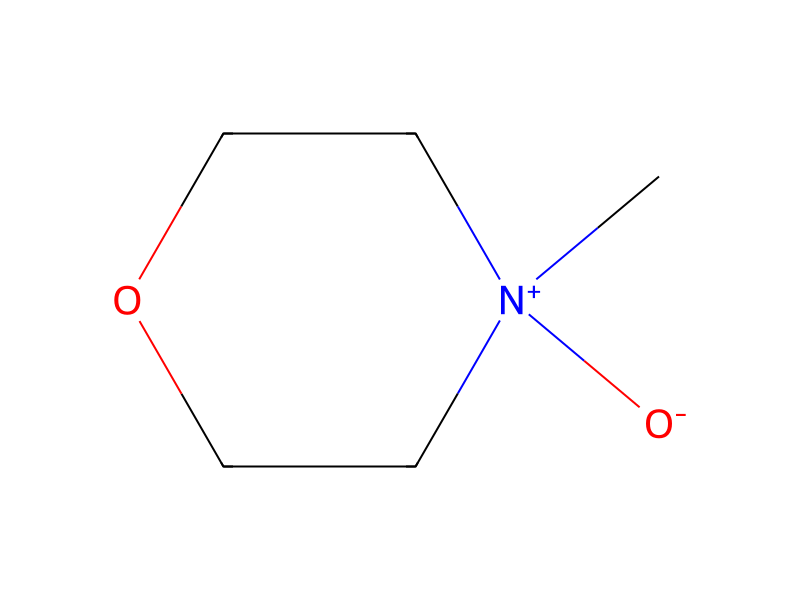


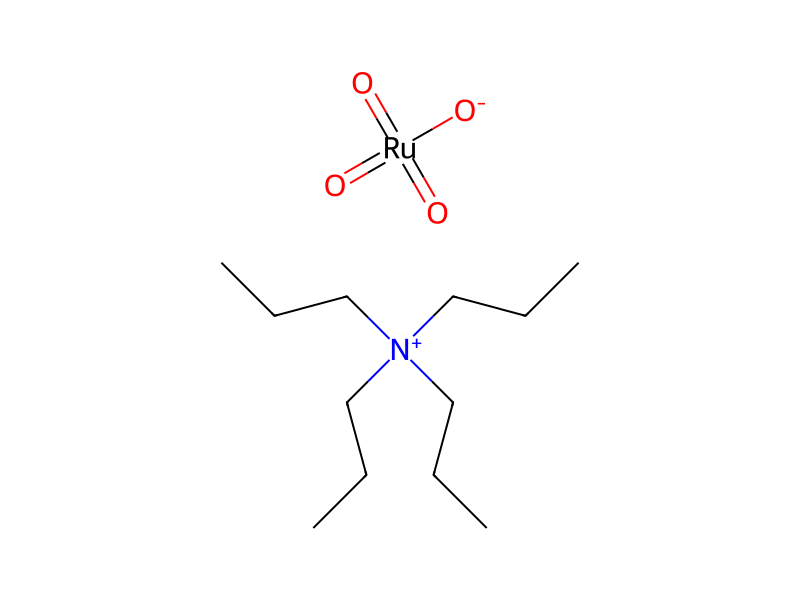

Procedure
To a solution of 2.08 g (9.36 mmol) of ethyl 4-(1-hydroxy-2-methylpropyl)benzoate (from Step A) and 1.64 g (14.04 mmol) of 4-methylmorpholine N-oxide in 20 mL of CH2Cl2 were added 164 mg (0.47 mmol) of tetrapropylammonium perruthenate and few specks of ground 4 A molecular sieves. After stirring at rt for 2 h, the mixture was filtered through a cake of Celite and the filtrate was concentrated. Chromatography on a Biotage 40M cartridge using 1:19 v/v EtOAc/hexanes as the eluant gave 2.0 g of the title compound: 1H NMR (500 MHz, CDCl3) δ 1.23 (t, J=6.9, 6H), 1.41 (t, J=7.1, 3H), 3.56 (m, 1H), 4.41 (q, J=7.1, 2H), 7.99 (dd, J=1.7, 6.5, 2H), 8.13 (dd, J=1.9, 6.7, 2H).
Workup
- filtrationthe mixture was filtered through a cake of Celite
- concentrationthe filtrate was concentrated
Sources & evidence
- ORD record
- ord-fbff77403abd463f8b30ce37bac605c8
- Source dataset
- uspto-grants-2009_10
- Patent number
- US07605171B2
Reaction notes
Loading…