Ammonia → HCID 86628207, compound
Reaction equation

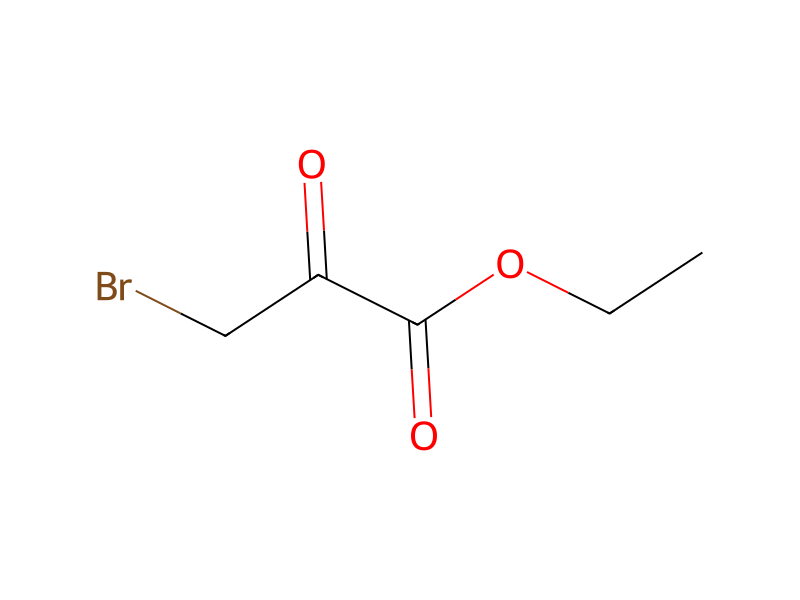
[NH:1]1[C:9]2[C:4](=[CH:5][CH:6]=[CH:7][CH:8]=2)[C:3](/[CH:10]=[CH:11]/[C:12]2[CH:17]=[CH:16][CH:15]=[CH:14][C:13]=2[NH:18][C:19]([NH2:21])=[S:20])=[N:2]1.C(O)C.Br[CH2:26][C:27](=O)[C:28]([O:30][CH2:31][CH3:32])=[O:29].N>>[CH2:31]([O:30][C:28]([C:27]1[N:21]=[C:19]([NH:18][C:13]2[CH:14]=[CH:15][CH:16]=[CH:17][C:12]=2/[CH:11]=[CH:10]/[C:3]2[C:4]3[C:9](=[CH:8][CH:7]=[CH:6][CH:5]=3)[NH:1][N:2]=2)[S:20][CH:26]=1)=[O:29])[CH3:32]Participants
5




Procedure
Compound 161 (0.40 g, 1.4 mmol) was added with ethanol (3.0 mL, 1.5 mmol) and ethyl bromopyruvate (0.10 mL, 0.8 mmol) and after heating under reflux for 18 hours, aqueous ammonia was added to stop the reaction. The precipitated crude product was collected by filtration and purified by silica gel column chromatography (hexane/ethyl acetate=4/1 to 1/2). Then, the product was triturated in ethyl acetate to obtain Compound 169 (41 mg, 17%).
Workup
- temperatureafter heating
- temperatureunder reflux for 18 hours
- customthe reaction
- customThe precipitated crude product
- filtrationwas collected by filtration
- custompurified by silica gel column chromatography (hexane/ethyl acetate=4/1 to 1/2)
- customThen, the product was triturated in ethyl acetate
Sources & evidence
- ORD record
- ord-716af4a3f075471ab6d445d6c08e5ba1
- Source dataset
- uspto-grants-2009_10
- Patent number
- US07605272B2
Reaction notes
Loading…